


Table of Contents
🌍A Story of Hope, Action & Change
On a dusty morning in a remote village in India, a little girl named Khushboo walks 3 kilometers every day to fetch water, dreams of becoming a teacher, and still studies by candlelight. Across the ocean, in a crowded urban slum in Brazil, a young boy named Diego plants trees with his mother, hoping to bring back the birds that once sang in their streets. In a high-rise office in Germany, a woman CEO pledges to hire more equitably and reduce her company’s carbon footprint.
These lives may seem worlds apart, but they are all connected—by hope, by action, and by a powerful global vision: the United Nations Sustainable Development Goals (SDGs).
Adopted by 193 countries in 2015, the 17 SDGs form a universal blueprint to end poverty, protect our planet, and ensure dignity and prosperity for all—by 2030. This isn’t just a plan for governments. It’s a call for each of us—to act, to care, and to lead.
🏛 Formation of the United Nations
The United Nations (UN) was officially established on October 24, 1945, following the devastation of World War II. Its formation aimed to prevent future global conflicts, promote peace and security, and foster international cooperation. The charter was ratified by 51 countries, and today, the UN has 193 member states.
⛿ United Nations Flag
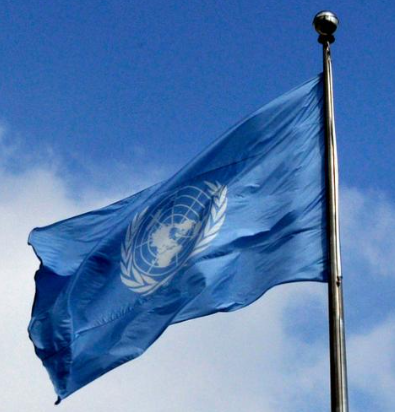
The UN flag, adopted on October 20, 1947, features a map of the world centered on the North Pole, surrounded by two olive branches. These olive branches symbolize peace, while the global map represents the organization’s universal reach. The flag’s light blue background was chosen to contrast with the red and black of war.

United Nations Headquarters & Meetings
The headquarters of the United Nations is located in New York City, USA, on international territory granted by the U.S. government. Designed by a team including architect Le Corbusier, the complex opened in 1952. It includes iconic structures such as the General Assembly Hall and the Secretariat Building.
In addition to the main HQ, the UN also has major offices in Geneva (Switzerland), Vienna (Austria), and Nairobi (Kenya), each focusing on specialized roles and regional cooperation.
The UN conducts numerous high-level meetings throughout the year:
- General Assembly (GA): Annual meeting in September where all 193 member states participate.
- Security Council Meetings: Ongoing sessions addressing international peace and security.
- High-Level Political Forum (HLPF): Annual meeting reviewing SDG progress.
- UN Climate Conferences (COP): Key global discussions on climate change.
These meetings facilitate collaboration, negotiation, and policy-setting across nations to address global challenges.
History of the UN Sustainable Development Goals
The Sustainable Development Goals (SDGs) were adopted by all United Nations Member States in 2015 as part of the 2030 Agenda for Sustainable Development. They succeeded the Millennium Development Goals (MDGs), which had guided global development efforts from 2000 to 2015. The MDGs focused on issues like poverty, hunger, education, and health, but were seen as limited in scope and lacking inclusivity.
To address broader and more interconnected challenges—ranging from inequality and climate change to peace and justice—the United Nations conducted a global consultation involving civil society, experts, and citizens. This inclusive process led to the creation of 17 SDGs and 169 associated targets, aiming to balance the economic, social, and environmental dimensions of sustainable development. The SDGs are a universal call to action to end poverty, protect the planet, and ensure that all people enjoy peace and prosperity by 2030.
UN’s 17 Sustainable Development Goals (SDGs)

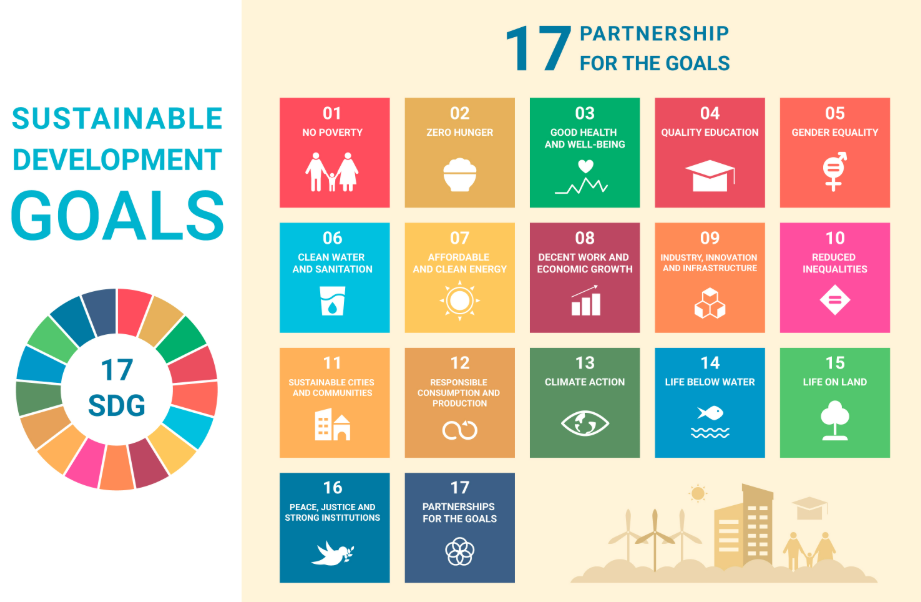
1. No Poverty
- Goal: Eradicate extreme poverty for all people everywhere.
- What You Can Do: Donate to credible charities. Support small local businesses and social enterprises. Volunteer in community upliftment projects. Raise awareness about poverty-related issues.
2. Zero Hunger
- Goal: End hunger, achieve food security, and promote sustainable agriculture.
- What You Can Do: Reduce food waste. Support local farmers and organic produce. Volunteer at food banks. Donate to hunger relief programs.
3. Good Health & Well-being
- Goal: Ensure healthy lives and promote well-being for all at all ages.
- What You Can Do: Promote physical activity and mental wellness. Share credible health information. Support accessible healthcare initiatives. Get vaccinated and help others do the same.
4. Quality Education
- Goal: Ensure inclusive and equitable quality education and promote lifelong learning.
- What You Can Do: Sponsor education for underprivileged children. Volunteer to teach or mentor. Donate books and learning material. Advocate for education rights.
5. Gender Equality
- Goal: Achieve gender equality and empower all women and girls.
- What You Can Do: Challenge gender stereotypes. Support women-led businesses. Speak out against gender-based violence. Educate others about equality and rights.
6. Clean Water & Sanitation
- Goal: Ensure availability and sustainable management of water and sanitation for all.
- What You Can Do: Conserve water. Avoid polluting water bodies. Support clean water initiatives. Educate on hygiene and sanitation.
7. Affordable & Clean Energy
- Goal: Ensure access to affordable, reliable, sustainable, and modern energy for all.
- What You Can Do: Use energy-efficient appliances. Support renewable energy sources like solar. Turn off unused electronics.
8. Decent Work & Economic Growth
- Goal: Promote inclusive and sustainable economic growth, employment, and decent work for all.
- What You Can Do: Support ethical and fair-trade brands. Advocate for fair wages. Empower youth with skill development.
9. Industry, Innovation & Infrastructure
- Goal: Build resilient infrastructure, promote inclusive and sustainable industrialization.
- What You Can Do: Promote eco-friendly and inclusive innovation. Support tech for good initiatives. Encourage STEM education.
10. Reduced Inequalities
- Goal: Reduce inequality within and among countries.
- What You Can Do: Support diversity and inclusion in your community. Speak up for marginalized voices. Promote equal opportunity workplaces.
11. Sustainable Cities & Communities
- Goal: Make cities and human settlements inclusive, safe, resilient, and sustainable.
- What You Can Do: Use public transport, carpool, or bike. Reduce plastic use. Participate in community clean-up drives.
12. Responsible Consumption & Production
- Goal: Ensure sustainable consumption and production patterns.
- What You Can Do: Buy only what you need. Choose reusable over single-use. Recycle and compost. Support sustainable brands.
13. Climate Action
- Goal: Take urgent action to combat climate change and its impacts.
- What You Can Do: Reduce your carbon footprint. Use eco-friendly transport. Join climate marches. Educate others about climate change.
14. Life Below Water
- Goal: Conserve and sustainably use the oceans, seas, and marine resources.
- What You Can Do: Say no to single-use plastics. Avoid overfishing. Participate in beach cleanups. Support marine conservation groups.
15. Life on Land
- Goal: Sustainably manage forests, combat desertification, halt biodiversity loss.
- What You Can Do: Plant trees. Protect wildlife habitats. Don’t buy products linked to deforestation or animal cruelty.
16. Peace, Justice & Strong Institutions
- Goal: Promote peaceful societies, provide access to justice, build accountable institutions.
- What You Can Do: Advocate for justice and transparency. Report corruption. Support legal aid for the underprivileged.
17. Partnerships for the Goals
- Goal: Strengthen global partnerships to support and achieve the SDGs.
- What You Can Do: Collaborate with NGOs, businesses, or governments. Share knowledge and resources. Promote collective action.
Remember: Every small action counts. Be the change—locally and globally.
Key Milestones & Timeline of UN SDG Meetings
- 2012 – Rio+20 Conference (Rio de Janeiro, Brazil): Laid the groundwork for the SDGs, building upon the Millennium Development Goals (MDGs).
- 2013-2014 – Open Working Group (New York, USA): Consultations on proposed goals and indicators.
- 2015 – UN Sustainable Development Summit (New York, USA): Adoption of the 2030 Agenda for Sustainable Development and the 17 SDGs.
- 2016 – First High-Level Political Forum (New York, USA): Focused on implementation strategies.
- 2019 – SDG Summit during the UN General Assembly (New York, USA): Reviewed progress at the midpoint to 2030.
- 2020-2022 – Virtual HLPFs: Adapted due to COVID-19, focusing on pandemic recovery aligned with SDGs.
- 2023 – SDG Summit (New York, USA): Accelerated action for the Decade of Action.
- 2024-2030 – Ongoing HLPFs and regional meetings (various global locations): Address climate action, gender equity, and inclusive development.
- 2030 – Global milestone: Deadline for achieving all 17 SDGs.
2030 SDG Target Highlights
The following key targets are set for achievement by 2030:
- Eradicate extreme poverty and hunger worldwide.
- Achieve universal access to quality education and healthcare.
- Eliminate gender-based violence and ensure gender equality.
- Ensure availability of clean water and affordable, clean energy.
- Promote inclusive economic growth, full and productive employment.
- Reduce inequalities within and among countries.
- Take urgent climate action to mitigate and adapt to climate change.
- Protect biodiversity in oceans and on land.
- Promote peace, justice, and inclusive societies.
- Strengthen partnerships and mobilize global cooperation for sustainable development.
These targets are supported by 169 specific indicators that guide action and progress tracking.

🎯 2030 Climate Action Targets

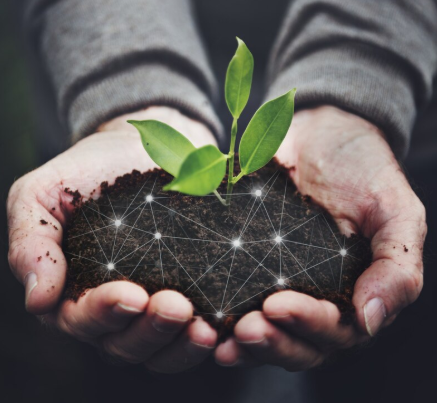
- Cut Global Greenhouse Gas Emissions by 43% from 2019 levels (to limit warming to 1.5°C).
- Phase Out Fossil Fuel Subsidies and redirect them to renewables and climate resilience.
- Ensure Climate Resilient Infrastructure in at least 50% of vulnerable nations.
- Reach 70% Global Renewable Energy Share in electricity generation.
- Mobilize $100 Billion Annually from developed nations for climate finance to developing countries (originally promised by 2020, now reinforced through 2030).
- Implement Climate Education in All National Curriculums to improve awareness and adaptation strategies.
Call to Action
🌍 Join the Global Movement for a Better Tomorrow!
Every action—big or small—matters. Start today by educating yourself, making sustainable choices, and inspiring others. Support local initiatives, reduce waste, fight inequality, and raise your voice for climate action.
💪 Together, we can achieve the 17 Global Goals by 2030. The planet needs YOU.
✅ Act now. Share. Volunteer. Advocate. Be the change.
Reference United Nations official site.
Read inspiring stories on Women Empowerment here.