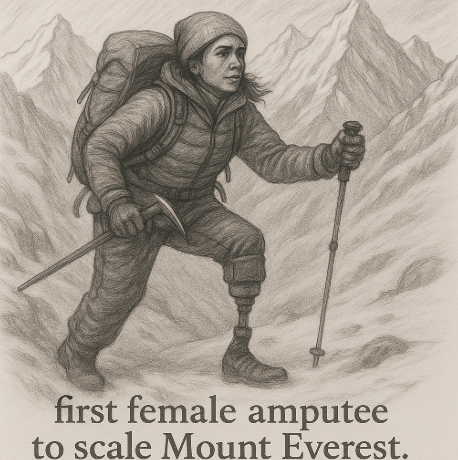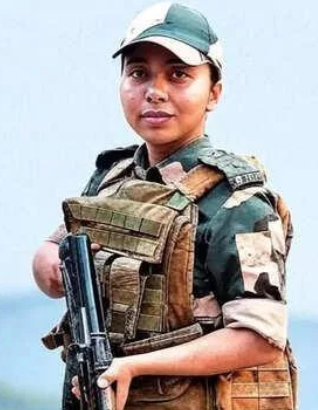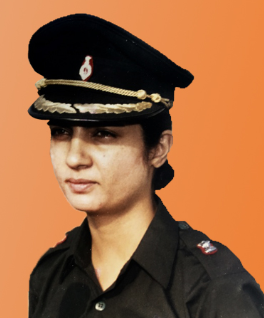
7 Mighty Mountains, 1 Iron-Willed Woman: Arunima Sinha’s Unstoppable Climb to Glory

Arunima Sinha

There are stories that speak to the mind—and then there are stories like Arunima Sinha’s, that speak to the soul.

In a country where countless women fight silent battles every day, Arunima’s journey doesn’t just inspire—it ignites. It reminds us that no wound is deep enough to bury a dream, and no fall is final unless we choose not to rise.

Table of Contents


The Fall That Changed Everything

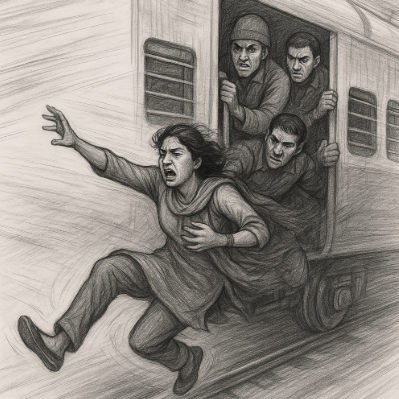
Arunima Sinha thrown out of train

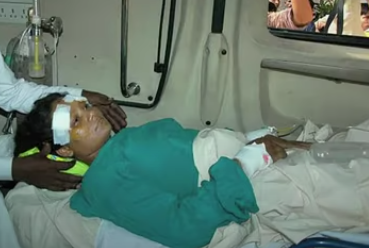
In 2011, Arunima Sinha, a national-level volleyball player, boarded a train bound for Delhi, never knowing that within minutes, her life would hang between life and death. She was pushed out by thieves for resisting a robbery attempt. The train crushed her leg. She lay bleeding on the tracks all night, helpless, broken—but not defeated.

That night, under the stars and surrounded by silence and pain, Arunima made a decision that changed her life—and countless others’. She would climb Mount Everest.

Think about that for a moment.

A woman, just 24, with one leg amputated, still bandaged and reeling from trauma, declared her dream to scale the world’s highest peak. Many called her mad. But what they didn’t realize was that madness is often just unshakable belief in a world too scared to try.

Arunima Sinha in hospital

🏔️ Mountains Climbed by Arunima Sinha

Mount Everest

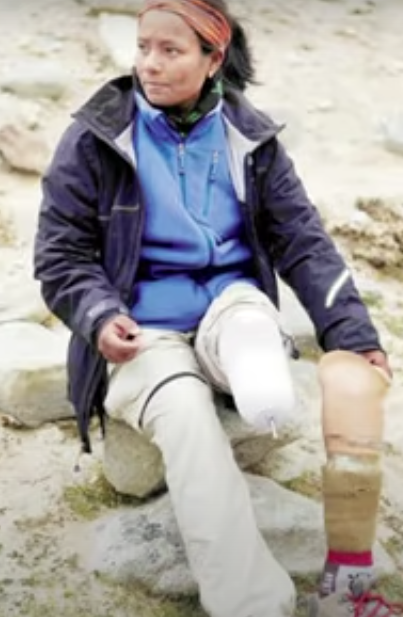
Arunima Sinha’s mountaineering journey is one of unmatched courage, endurance, and grit. After losing her left leg in a brutal train accident, instead of falling into despair, she set an extraordinary goal — to climb Mount Everest and inspire others with disabilities to dream big. She not only achieved that but went on to conquer six more of the highest peaks in the world, becoming a global symbol of perseverance.


Seven Summits Completed by Arunima Sinha

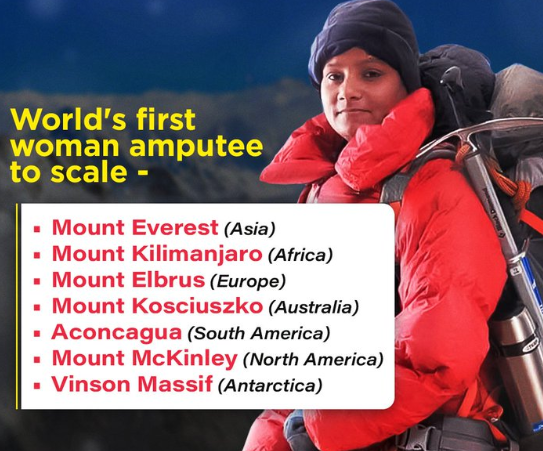
Arunima Sinha not just climbed Mount Everest, but successfully climbed mountains on all seven continents — completing the prestigious “Seven Summits Challenge”.

The Seven Summits refer to the highest mountain on each of the seven continents, and conquering all of them is considered one of the most elite achievements in mountaineering.

Arunima Sinha

1. Mount Everest (Asia) – 8,848 m

Date: 21 May 2013

  • She became the first female amputee in the world to climb Mount Everest.
  • Completed after 52 days of expedition through treacherous icefalls, blizzards, and oxygen-starved altitudes.
  • Trained under Bachendri Pal, India’s first woman Everest summiteer.

2. Mount Kilimanjaro (Africa) – 5,895 m

Date: May 2014

  • Located in Tanzania, Africa’s tallest mountain.
  • Climbing it with a prosthetic leg required tremendous balance and stamina on rocky terrain.

3. Mount Elbrus (Europe) – 5,642 m

Date: July 2014

  • The highest peak in Europe, located in Russia.
  • Known for its harsh winds and subzero temperatures.

4. Mount Kosciuszko (Australia) – 2,228 m

Date: April 2015

  • Though smaller in height, the challenge was navigating terrain with a prosthetic on unfamiliar trails.

5. Mount Aconcagua (South America) – 6,961 m

Date: December 2015

  • Argentina’s highest peak and the highest outside of Asia.
  • Extremely difficult due to high altitudes and rough winds.

6. Mount Carstensz Pyramid (Oceania) – 4,884 m

Date: 2016

  • Located in Papua province of Indonesia, it involves vertical rock climbing and heavy rainfall.

7. Mount Vinson (Antarctica) – 4,892 m

Date: 2019

  • The final summit of her “Seven Summits Challenge”.
  • Harshest weather conditions — icy winds, -30°C temperatures, and complete isolation.

Significance:

  • She is among the very few amputees in the world to complete the Seven Summits.
  • First female amputee globally to achieve this feat.
  • Represents India in the rare league of mountaineers to conquer all seven.

🌟 How Challenging It Was – And Why She Never Gave Up

🩺 Physical Struggles

  • Arunima had a steel rod inserted in her right leg and a prosthetic left leg.
  • Extreme cold made the prosthetic painful; it would bruise and cut her skin, sometimes causing bleeding.
  • Carrying a 20+ kg backpack, oxygen cylinders, ropes, and gear over glaciers and rocky ridges added pressure on her single natural leg.

🧠 Mental & Emotional Battles

  • Facing mockery, disbelief, and discouragement from people who thought she was chasing the impossible.
  • Battling post-traumatic stress from the train accident, and the emotional pain of societal rejection.
  • At many points, especially during Everest, she considered turning back — but reminded herself of the millions of disabled people watching her as a beacon of hope.

💬 Her Words That Inspire

“I wasn’t climbing a mountain. I was climbing every moment that told me I couldn’t.”

“I wanted to prove that being physically challenged does not mean being mentally weak.”


🔥 The Inner Fire That Drove Her

  • A promise to herself that she would not let her life end in pity or silence.
  • Her vision to inspire and uplift every person with disability, trauma, or loss.
  • She saw the mountain not as a summit to win, but a stage to prove that pain can be transformed into power.
Arunima Sinha

Climbing More Than Mountains

In May 2013, Arunima Sinha became the first female amputee to scale Mount Everest. But the summit wasn’t just a personal victory. It was a message. A roar from the rooftop of the world:
“I may have lost a leg, but I have found my voice.”

And with that voice, she began empowering others—especially women.

Arunima Sinha

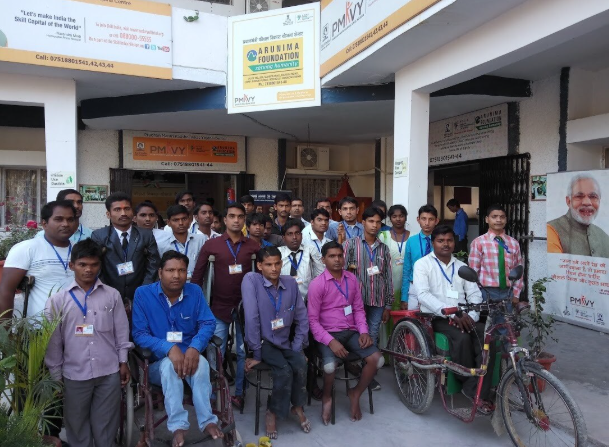
She wasn’t interested in just becoming a symbol. She wanted to build something that lasts. And so, she founded the Arunima Foundation and later, the Shaheed Chandra Shekhar Azad Divyang Khel Academy, where underprivileged and differently-abled youth—are trained in sports, given prosthetics, education, and something much more precious: self-belief.

Where others saw pity, Arunima saw potential.


From Survivor to Sisterhood

In dusty villages and narrow alleyways, where girls are told to shrink, behave, and blend in, Arunima walks in with crutches and medals, with a story stitched in steel. She tells them:

“You are not weak. The world just hasn’t seen your strength yet.”

To girls who’ve been told their bodies are broken, she teaches movement.
To women who’ve been silenced, she gives the microphone.
To daughters who were told they’re a burden, she says: You are the fire.

Her journey isn’t just her own anymore—it belongs to every woman who dares to rise.


An Everest in Every Woman

Arunima doesn’t measure achievement in applause or awards. For her, success is the girl in a wheelchair who smiles for the first time. The teenage amputee who now dreams of playing for India. The mother who walks into the foundation’s gates ashamed and walks out with her head held high.

She empowers through empathy.
She uplifts through action.
She leads by simply living her truth—loud, proud, and unafraid.


Arunima Sinha’s Personal Life and Family Support

Arunima Sinha was born on 20 July 1989 in Ambedkar Nagar, Uttar Pradesh, into a modest middle-class family. Her father was an engineer in the Indian Army, and her mother, Gyan Bala, a health supervisor. Arunima lost her father at the age of three, and her mother single-handedly raised her and her siblings with strength and values.

During her darkest hour of train accident, her family stood like a rock beside her—especially her mother, who played a pivotal role in emotionally supporting her during her long recovery and rehabilitation.

Arunima is not married and does not have children. She has chosen to dedicate her life to social work, motivational speaking, and training women and differently-abled people. Her journey is an embodiment of inner strength, self-reliance, and determination.

Key Support Systems:

  • Mother Gyan Bala: Her constant support and motivation.
  • Brother Omprakash: Helped her during treatment and travels post-accident.
  • Family support: Played a key role in her mental recovery.
  • Mentorship by Bachendri Pal: India’s first woman to scale Mount Everest, who inspired and guided Arunima through mountaineering training.

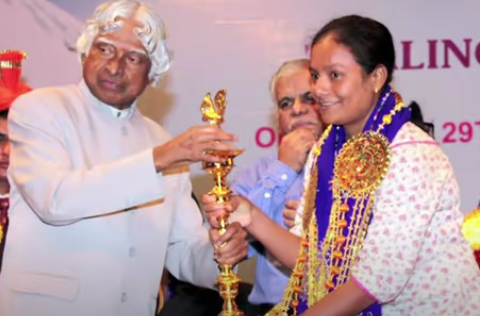
Today, Arunima runs the “Arunima Foundation”, works toward uplifting the differently-abled, and is an inspiration to millions for rising stronger after unimaginable trauma.


Arunima Sinha’s Social Work & Arunima Foundation: A Legacy of Empowerment

After becoming the world’s first female amputee to scale Mount Everest in 2013, Arunima Sinha didn’t stop at personal victory—she turned her pain into purpose. Deeply moved by the suffering of others like her, she resolved to uplift and empower differently-abled individuals, underprivileged children, and women who are battling societal and physical limitations.


🌟 Arunima Foundation: Vision & Mission

Founded in 2015, the Arunima Foundation (also referred to as Dr. Arunima Sinha Foundation) is a registered charitable trust with the core belief that disability is not inability, and everyone deserves dignity, opportunity, and hope.

🧭 Mission:

“To transform lives by providing physical, emotional, educational, and vocational support to the disabled, underprivileged, and disaster-affected, especially women and children.”

🎯 Vision:

To create a society where the disabled are self-reliant, skilled, respected, and included in mainstream development.


💠 Key Initiatives & Impact Areas

Arunima Foundation

1. 🧍‍♀️ Empowering the Differently-Abled

  • The foundation trains physically challenged individuals in sports, self-defense, yoga, and survival skills.
  • Provides prosthetics, mobility aids, and emotional support for accident survivors, particularly amputees.
  • Regular counseling sessions for trauma victims—especially those with suicidal thoughts post-accident.

2. 🎓 Education & Skilling for Underprivileged

  • Arunima’s foundation provides free education, books, uniforms, and digital literacy to children from poor backgrounds, especially in rural and tribal areas.
  • Vocational training for disabled youth and women in tailoring, computer skills, and crafts to enable financial independence.

3. 🛠️ Skill Centres & Residential Training Programs

  • Plans to build a residential sports academy for the disabled, with facilities for mountaineering, athletics, and adventure sports.
  • Offers life-skills training and confidence-building modules for acid attack survivors, rape victims, and widows.

4. 🌱 Women Empowerment

  • Special focus on training widows and domestic violence survivors in self-defense and entrepreneurship.
  • Women are mentored in public speaking, leadership, and motivation, using Arunima’s story as a model.

5. 🚑 Disaster Relief & Community Aid

  • During natural disasters and the COVID-19 pandemic, the foundation organized food drives, medical kits, and support for frontline workers.
  • Also distributes wheelchairs, hearing aids, artificial limbs, and other assistive devices in collaboration with hospitals and NGOs.

🤝 Collaborations & Support

  • Collaborates with Bachendri Pal’s Tata Adventure Foundation, sports councils, and disability rights organizations.
  • Supported by corporates, public donors, and social workers, the foundation continues to grow through goodwill and Arunima’s unbreakable reputation.

🧗‍♀️ Beyond Philanthropy – Inspiration in Action

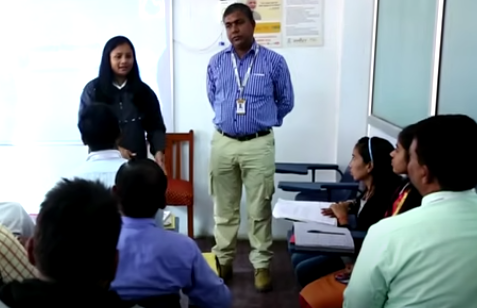
  • Arunima often visits schools, jails, cancer wards, and rehab centers to give motivational talks.
  • She believes “you don’t need two legs to stand tall, just courage.”
  • Her speeches are now part of empowerment seminars, TEDx, UN events, and school syllabi.

📌 Current Goals of the Foundation:

  • Build a fully equipped residential facility and sports training center for the disabled.
  • Expand rural outreach to help one lakh+ physically challenged individuals in the next 5 years.
  • Develop an online portal for career counseling and free tele-counseling for trauma victims.

🏅 Major Awards & Honors of Arunima Sinha

Arunima Sinha Awards

🇮🇳 1. Padma Shri (2015)

  • India’s fourth-highest civilian award.
  • Conferred by the Government of India for her extraordinary achievement in sports and her contribution to inspiring persons with disabilities.
  • Given by then President Pranab Mukherjee at the Rashtrapati Bhavan.

🗻 2. Tenzing Norgay National Adventure Award (2015)

  • India’s highest recognition in the field of adventure sports.
  • Given by the Ministry of Youth Affairs and Sports for her feat of scaling Mount Everest as an amputee.
  • Acknowledged her endurance, courage, and mountaineering skill.

💬 3. Honorary Doctorate by University of Strathclyde, Glasgow (2018)

  • Conferred with an Honorary Doctor of Laws (LL.D.).
  • For her pioneering achievements and role in inspiring millions worldwide.

🌍 4. Listed Among ‘100 Most Inspirational Women’ by BBC (2014)

  • Selected in BBC’s 100 Women List, honoring women making significant impact globally.
  • Celebrated for breaking stereotypes and leading social change after disability.

🕊️ 5. UN Women Empowerment Icon (Recognized at International Platforms)

  • Invited by United Nations, and various international forums.
  • Recognized for her advocacy on women’s empowerment, disability rights, and mental strength.

🏅 6. Arjuna Award – Nomination & Recommendation

  • While not confirmed as a recipient, her name was officially recommended for the Arjuna Award for her contribution to Indian sports as a differently-abled athlete.

📚 Other Honours and Recognitions

  • National Role Model Award (2016) – By the Ministry of Social Justice and Empowerment.
  • CNN-IBN Indian of the Year Special Achievement Award (2013).
  • Rotary International Vocational Excellence Award – For social service and leadership.
  • Women of Substance Award – Honoring her story of resilience and transformation.
  • Limca Book of Records – For being the first female amputee in the world to scale Mount Everest.
  • Youth Icon Awards – By several universities and youth groups across India.
  • Recognized by PM Narendra Modi – Featured in his “Mann Ki Baat” as a symbol of women’s strength.

🧗‍♀️ A Living Legend

Arunima’s achievements are now part of school textbooks in some Indian states. She’s invited to universities, TEDx talks, Army academies, and rehabilitation centers as a speaker who changes lives with her story.


🌟 Legacy of Arunima Sinha

Arunima Sinha’s legacy goes far beyond climbing mountains — she elevated the spirit of millions. From a national athlete to a train accident survivor, and then becoming the first female amputee to scale Mount Everest, she redefined what it means to be unstoppable. Her courage lit a path for disabled individuals, women, and trauma survivors to reclaim their strength. Through her foundation, she continues to empower the marginalised, proving that a setback is a setup for a greater comeback.

She leaves behind not just footprints on snowy peaks, but a trail of hope, healing, and heroism.


Call to Action

🔹 Support Arunima Foundation – Donate, volunteer, or partner to help empower the disabled and underprivileged.
🔹 Share Her Story – Spread awareness and inspire others by sharing her journey on social media or blogs.
🔹 Invite Her to Speak – Host Arunima for motivational talks in schools, corporates, and institutions.
🔹 Be Inspired – Take that first step toward your own summit. Let Arunima’s legacy ignite your purpose.

💬 “If Arunima can conquer Everest with one leg, what’s stopping you from climbing your own?”

Watch the video on Arunima Sinha’s story in Hindi here. Read more brave stories on women empowerment here.

Laxmi Agarwal: From Acid Attack At 15 to Torchbearer of Women’s Empowerment

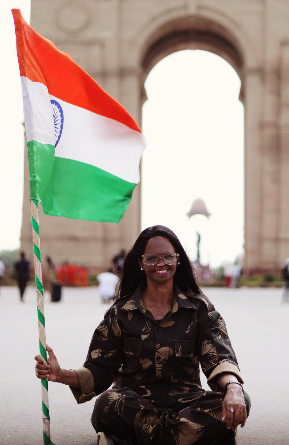
Laxmi Agarwal

“He threw acid on my face—not on my dreams.” — Laxmi Agarwal


MIrror

A woman’s face has long been treated as her first introduction to the world — her identity, her value, her pride. From the time she’s a girl, she’s told to look beautiful, to smile, to glow. Each morning begins with a glance in the mirror — and even a tiny pimple can trigger a storm of self-doubt. The mirror becomes more than glass; it becomes judgment. Society has built this silent prison where a woman’s worth is measured by her reflection.

But what happens when that reflection is shattered — not by time, but by cruelty?

This is where Laxmi Agarwal’s story begins — not with beauty lost, but with inner strength found. She did not hide. She rose. In her scars, the world saw not sorrow, but courage, power, and purpose.

She turned her pain into purpose, and in doing so, began to heal others — empowering countless women to rise from silence, shame, and suffering.

Surviving such unthinkable pain, and choosing compassion over bitterness, is not just bravery — it is a sign of deep spiritual and emotional health. Laxmi’s soul refused to be broken. Her strength wasn’t on her skin — it lived in her spirit.

She is not just a survivor — she is a healer, a warrior, and a beacon of what it truly means to be whole.


🌺 1. A Harrowing Beginning: Survival Against the Odds

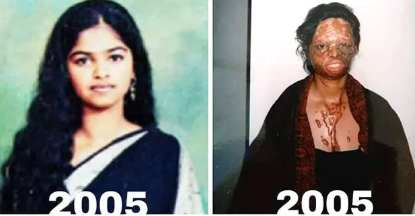
In 2005, at just 15 years old, Laxmi Agarwal was attacked with acid by a man whose romantic advances she had rejected. The assault left her with severe burns and emotional trauma. Over the next seven years, she endured nine reconstructive surgeries, costing nearly ₹20 lakh, while battling societal stigma and despair. amidst her pain, thoughts of suicide surfaced—but concern for her parents helped her persevere.

Laxmi Agarwal - Before vs After Acid Attack

2. Rekindling Hope: Redefining Beauty & Embracing Courage

Laxmi Agarwal

One pivotal moment came when Laxmi realized she no longer wanted to hide under a dupatta. She decided that her face wouldn’t define her worth and began to step out with dignity, teaching herself and others the value of inner beauty and resilience. This small act was a turning point in her journey toward hope and activism.


In 2006, Laxmi filed a Public Interest Litigation (PIL)—known as Laxmi vs Union of India—seeking criminal penalties for acid attacks, regulation of acid sales, and compensation for survivors. In 2013, the Indian Supreme Court issued new laws, including age-based acid sale restrictions, ID requirements, and guaranteed rehabilitation protocols.

Laxmi Agarwal

4. The Chhanv Foundation & Stop Acid Sale Movement

In response to her fight, Laxmi co-founded the Chhanv Foundation, an NGO that provides medical, legal, and emotional support to survivors. She also launched the Stop Acid Sale campaign, which garnered over 27,000 signatures and global support. Through vocational training, employment initiatives like Sheroes cafés, and counseling, the foundation has empowered survivors to reclaim their lives.


5. Laxmi Agarwal: Awards & Recognition: Global Validation of Her Courage

Her resilience gained international recognition:

  • 2014 International Women of Courage Award presented by Michelle Obama
  • International Women Empowerment Award from Women and Child Development Ministry, UNICEF (2019)
  • Honoured at I Am Woman Awards (2017) for her powerful activism

6. Laxmi Agarwal: Advocacy in the Digital Age

Laxmi is a powerful voice on social media: hosting Instagram Lives to counsel survivors during COVID-19, offering help to women facing domestic violence. She’s become a lifeline for many in times of silent suffering.


7. Laxmi Agarwal: Legacy & Impact:

Healing and Empowerment Through Action

  • Empowered hundreds of survivors with education, legal aid, and vocational training.
  • Shattered beauty stereotypes by walking proudly without hiding her scars.
  • Inspired Chhapaak (2020), a Bollywood film starring Deepika Padukone, bringing Laxmi’s story to millions.
  • Publicly raising awareness on mental health, resilience, and self-worth through motivational speaking and TED talks.

🌱 Final Reflection: A Legacy That Blooms in Courage

Laxmi Agarwal’s story is not just about survival—it’s a movement of resilience, activism, and compassion.
Her life teaches us:

True empowerment is found not in hiding scars, but in telling your truth—so others might find theirs.


✅ Call to Action: Be a Spark, Be the Change

India continues to register 200–300 cases annually, equating to over a dozen acid attacks reported every month. In 2021 alone, approximately 14 acid attack cases per month were recorded CNBCTV18

Compared to the pre‑2013 era, some decline is seen in recent years—but not enough to curb the trend The Times of India.

The conviction rates remain dismally low—for instance, in 2021, only 20% of cases led to a conviction, despite 89% being chargesheeted. The persistence of acid attacks reflects gaps in law enforcement, acid sale regulations, and social stigma.

  • Share this story to inspire courage
  • Support acid attack survivors through Chhanv Foundation
  • Speak up—against acid violence, trauma stigma, or silencing of survivors
  • Mentor or support women who’ve suffered trauma

Together, we can help more women rise—not in spite of their scars, but because of them.


🌸 Personal Life: The Pillars Behind the Phoenix

Laxmi Agarwal was born in 1990 in New Delhi, into a modest yet loving family that deeply valued dignity and courage. Her father worked as a domestic cook, and her mother was a homemaker — both deeply supportive of Laxmi’s dreams. From a young age, her parents instilled in her the strength to speak up and the value of education. She was a bright student, studying at Sarvodaya Kanya Vidyalaya, and like many teenage girls, she dreamt of becoming a singer.

After the acid attack at the age of 15, it was her parents who stood as her unshakable pillars. Despite their own emotional devastation, they never let her feel alone or unloved — their silent sacrifices, tireless care, and unbreakable belief became the bedrock of Laxmi’s healing.

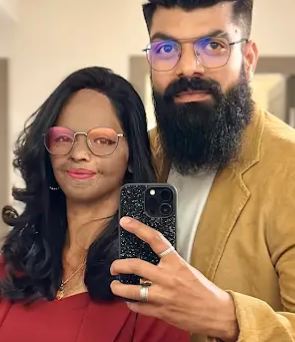
Laxmi Agarwal with Husband

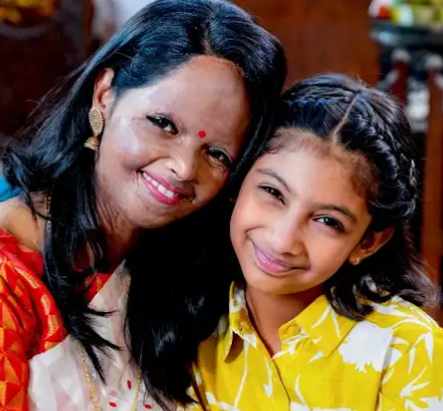
Alok Dixit, a journalist and activist, became one of the earliest and strongest supporters of Laxmi’s cause. He co-founded the Stop Acid Attacks campaign and stood by Laxmi — emotionally and professionally — as they led protests, awareness drives, and supported fellow survivors. Their bond grew into a partnership, and they decided to live together and together had a daughter, Pihu — the light of Laxmi’s life. Though their relationship eventually ended, it was a part of her journey toward self-healing and rediscovery. Now, as a single mother, Laxmi pours her soul into raising her daughter with love and strength — passing on the very values that her parents once gave her.

Laxmi Agarwal with daughter Pihu

Her life — marked by resilience, self-respect, and spiritual strength — continues to inspire millions. In every role she plays — a daughter, a mother, a survivor, a voice — Laxmi stands as a symbol of empowerment born out of pain.


Read inspiring stories on Women Empowerment here.

🚔Kiran Bedi: India’s 1st Women IPS Officer: The Fearless Torchbearer of Women Empowerment in India

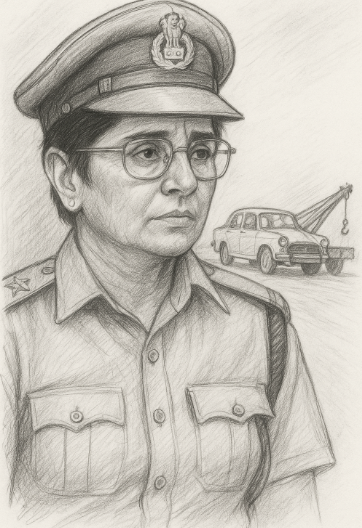
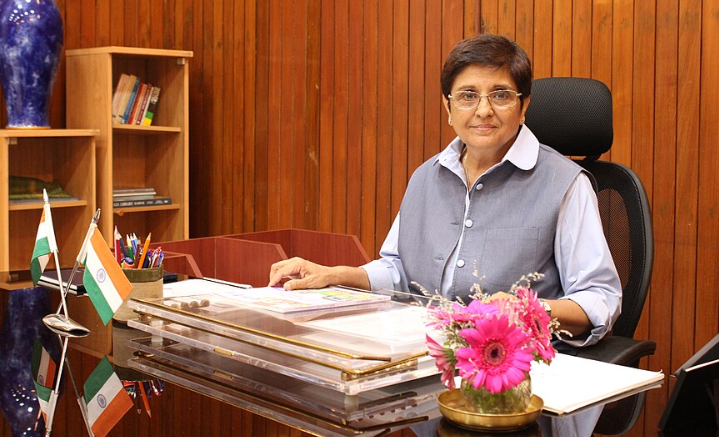
Kiran Bedi - 1st Women IPS Officer

Introduction

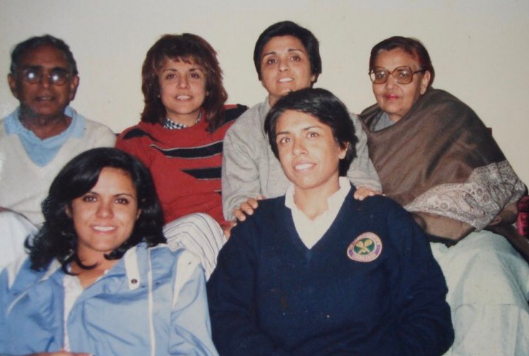
When the word “fearless” finds form in a woman, it often takes the shape of Kiran Bedi. For decades, she has stood as a symbol of justice, grit, and empathy, breaking barriers not just for herself but for countless women across the country. From being India’s first woman IPS officer to transforming one of the most dreaded prisons in Asia into a model correctional facility, her journey is a testament to the power of purpose-driven leadership.

But beneath the khaki uniform and stern voice lies the heart of a woman who feels deeply, gives freely, and serves selflessly. This is her story — not just of policing and protocol, but of bold choices, quiet compassion, and unwavering empowerment.


Early Life and Education

Kiran Bedi’s upbringing played a pivotal role in shaping her fearless, disciplined, and purpose-driven personality.

Kiran Bedi Family

🌸 Family Background & Early Life:

  • Born: 9 June 1949 in Amritsar, Punjab
  • Parents: Prakash Lal Peshawaria (father) and Prem Lata (mother)
  • Sisters: Kiran is the second of four daughters

💪 Progressive & Supportive Parents:

  • Kiran’s parents were unusually progressive for their time, especially in a conservative Indian society that often prioritized sons.
  • Her father left a secure job in the textile industry to support his daughters’ education and ambitions.
  • Instead of restricting their daughters to traditional roles, they empowered them to dream big.

🎾 Focus on Discipline & Sports:

  • Her father enrolled her in tennis coaching at an early age, despite social criticism.
  • Kiran went on to become national tennis champion, winning the Asian Lawn Tennis Championship.
  • Her mother emphasized moral values and self-respect, ensuring the girls were emotionally strong and independent.

🎓 Education:

  • Her parents insisted on a strong academic foundation:
    • BA in English from Government College for Women, Amritsar
    • MA in Political Science from Punjab University, Chandigarh
    • LLB from Faculty of Law, Delhi University
    • PhD in Social Sciences from IIT Delhi

🕊️ Summary:

Kiran Bedi’s upbringing was a fusion of love, discipline, and forward-thinking parenting. Her parents gave her freedom, confidence, and the courage to challenge gender roles, which became the foundation of her life as India’s first woman IPS officer and a relentless reformer.

Their belief:
👉 “Betiyaan bojh nahi, roshni hoti hain.” (Daughters are not burdens, they are the light.)


Trailblazing Journey as the First Woman IPS Officer

In 1972, Kiran Bedi became the first woman to join the Indian Police Service. This wasn’t just a personal milestone; it was a historic leap for Indian women. But the journey was far from smooth.

During her early IPS training, many male officers ridiculed her, telling her women were “too emotional” for the job. Yet she persisted, outperforming most of them in physical and mental evaluations.

When a senior once said, “You’re too pretty for this job,” she retorted, “Justice doesn’t care for lipstick or biceps. It listens to courage.”

Her calm defiance and dignified confidence became her hallmark.


The Iconic Traffic Cop Who Towed the PM’s Car

In 1982, as DCP (Traffic) of Delhi, Bedi made headlines by towing away the illegally parked car of then Prime Minister Indira Gandhi. The bold move earned her both admiration and criticism.

What the public didn’t see was the price she paid behind the scenes. That night, her home was stoned, and her family received threats. Yet she stood her ground and refused police protection.

“If I can’t walk the street alone, I don’t deserve to wear this uniform.”

Her unwavering commitment to the rule of law inspired many young women to consider careers in civil services.


Tihar Jail Reforms: Healing Behind Bars

Tihar Jail

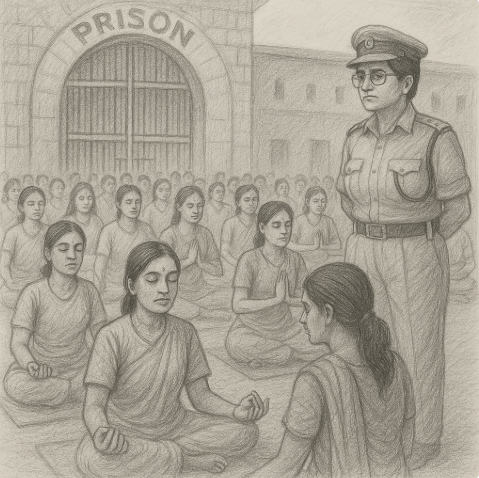
Perhaps her most celebrated achievement was her tenure as Inspector General of Tihar Jail, one of Asia’s largest prisons. Instead of punishment, she introduced reformative justice.

Under her leadership, Tihar saw:

  • Introduction of education and meditation programs
  • Vocational training for inmates
  • Special focus on female inmates and their children

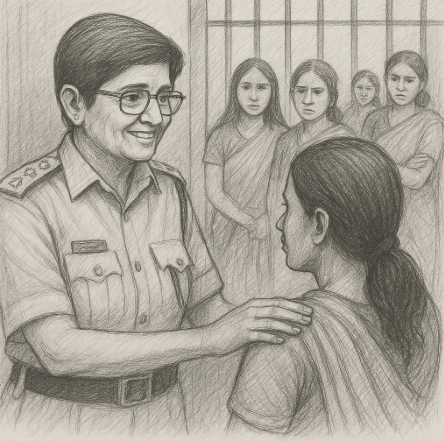
One emotional story stands out: A young mother, arrested for theft, was on the verge of suicide. Kiran Bedi held her hand for hours, offering no solution, just presence. That woman went on to become a counselor for fellow inmates.

“She gave me my name back. Not a number, not a prisoner — but Meera.”

Tihar Jail is located in New Delhi, India, specifically in the Tihar Village area of West Delhi. It is the largest prison complex in South Asia and is officially known as Tihar Central Jail.


In 1987, she co-founded the Navjyoti India Foundation, focused on education, drug rehabilitation, and women’s empowerment. Through this platform, she:

  • Educated girls in slums
  • Offered vocational training to women
  • Rehabilitated street children

A young girl who once walked 10 km to attend classes was offered a bicycle and solar lamp by Bedi herself. That girl now works as a teacher, mentoring dozens like her.

“She reminded me of the girl I used to be — hungry to learn, afraid of nothing.”

Kiran Bedi

Official Website.


Emotional, Bold, Untold Stories

1. The Slap That Made a Leader

As a teen, Kiran once saw a boy harassing a girl. With no adult stepping in, she slapped him in public. That was her first taste of justice. A spark had been lit.

2. The Girl Who Slept in Her Home

On a stormy night, a 12-year-old girl from Navjyoti had no shelter. Bedi took her home, gave her food and dry clothes. The next day, she made arrangements for her future quietly.

3. Facing Misogyny with Grace

Mocked during IPS training, Bedi responded with silent excellence. She topped her batch in several areas, letting her work speak louder than prejudice.


Challenges and Controversies

Despite her brilliance, Bedi often faced institutional resistance. Her strict discipline ruffled feathers, and she was sometimes sidelined for key positions. But not once did she let bitterness enter her soul.

“My duty is to serve. Whether or not the system rewards me is its karma, not mine.”


Post-Retirement: A New Phase of Empowerment

Kiran Bedi

The Spirit of Compassion and Empowerment

What makes Kiran Bedi exceptional is not just her courage but her compassion. She empowered women not just through words but through action, mentorship, and systems that helped others rise.

She often said:

“I don’t believe in empowering women just by giving speeches. I believe in creating roads, giving lights, ensuring toilets, and teaching them to speak up.”


Call to Action: Rise Like Kiran

To every girl who’s told “you can’t,” to every woman afraid to speak up, let Kiran Bedi’s life be your answer. Dare to lead, dare to rise, dare to change.

Be bold like Bedi. Be kind like Bedi. Be unshakeable like Bedi.

Empower one woman, and you empower generations.


Personal Life

Kiran Bedi is 75 years old (born June 9, 1949), married to Brij Bedi (late), and has one daughter named Saina Bedi.

After retiring, Bedi turned to activism and politics. She joined Anna Hazare’s anti-corruption movement and later became the Lieutenant Governor of Puducherry. Even in politics, her focus remained clear: education, safety, and justice for women.

Kiran Bedi’s late husband, Brij Bedi, was a social activist known for his work in Amritsar, especially in education and drug rehabilitation. Their daughter, Saina Bedi, is a professional artist and photographer, leading a creative life away from public and political spheres. Despite Kiran Bedi’s high-profile career, both Brij and Saina maintained low-key lives rooted in service and art.

Kiran Bedi has openly acknowledged that she prioritized her duty and service to the nation above her personal and family life at times.

In several interviews and writings, she admitted that:

  • Her demanding career, especially as an IPS officer and later as Director General of Tihar Jail and Lieutenant Governor of Puducherry, often took precedence over family time.
  • Her husband, Brij Bedi, once said publicly that they led largely separate lives, though they shared mutual respect for each other’s work.
  • Her daughter, Saina, was largely raised by Brij and his extended family, especially when Kiran was posted in demanding roles.

Despite the personal cost, Kiran Bedi always maintained that her sense of purpose and discipline came from a deep-rooted commitment to public service. She has said that if she had to choose again, she would still serve the nation first — a choice that defined her legacy as India’s first woman IPS officer and a fearless reformer.

It was a sacrifice, but one she made consciously — and with conviction.


Conclusion

Kiran Bedi’s life is a living testament to courage with compassion. She didn’t just wear the uniform — she honored it with integrity, fire, and love. Her legacy lives on in every girl she mentored, every system she changed, and every life she touched.

Let her story stir something in you. The fight for justice and dignity doesn’t need a badge. It needs a burning heart and a fearless soul.


Read our inspiring stories on women empowerment here.

🌟 Sushma Swaraj: The Voice That Empowered Millions of Women

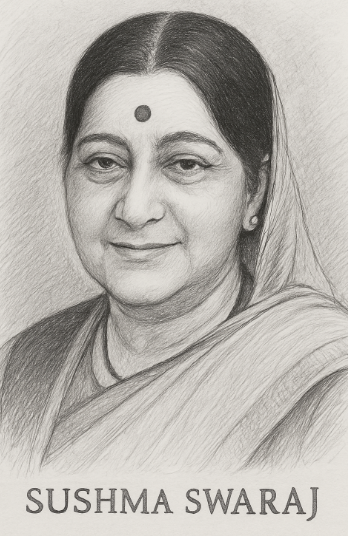
Sushma Swaraj Sketch

“I am a daughter, a mother, a leader — and above all, I am a woman who believes in change.”

In the corridors of power, where voices often rise to dominate, hers was calm — yet it thundered. Sushma Swaraj wasn’t just a leader. She was a symbol — of dignity, resolve, compassion, and relentless commitment to the cause of women empowerment in India.


In Memories, Always🙏

I still remember my childhood days, coming back home from school, switching on Doordarshan, and seeing her — a bold, graceful woman in a saree, standing tall in Parliament, voice unwavering, confidently debating in Parliament in exceptionally fluent, powerful, and deeply rooted Hindi language showing cultural richness. The screen read “Sushma Swaraj.” Watching her on TV always stirred something deep within me — a sense of pride, strength, and silent inspiration that stayed long after the screen faded. For a young girl, it was powerful to witness a woman command the room with such strength and dignity. Sushma ji became more than a name — she became an inspiration, a role model for countless daughters of India.


🕵️‍♀️ Birth and Early Life

  • Born: 14 February 1952, Ambala Cantt, Haryana, India
  • Father: Hardev Sharma, a prominent RSS member
  • Education:
    • Bachelor’s in Sanskrit and Political Science from Sanatan Dharma College, Ambala
    • LL.B. from Punjab University, Chandigarh
    • Best Hindi Speaker award, twice, from Haryana government

From a young age, Sushma showed excellence in academics, debate, and social responsibility. Her oratory and clarity of thought made her stand out even before entering public life.


A Trailblazer in Politics: Breaking Glass Ceilings

Sushma Swaraj’s political journey began at a time when women in Indian politics were rare. At just 25, she became the youngest cabinet minister in the Haryana government. She didn’t stop there. From being the first woman spokesperson of a national political party to India’s second woman External Affairs Minister, her path was one of many firsts — shattering stereotypes every step of the way.

Her leadership was not loud, but graceful and powerful — a proof that strength doesn’t always roar; sometimes, it simply stands tall with integrity.


Making Women’s Voices Heard, Worldwide

Sushma Swaraj

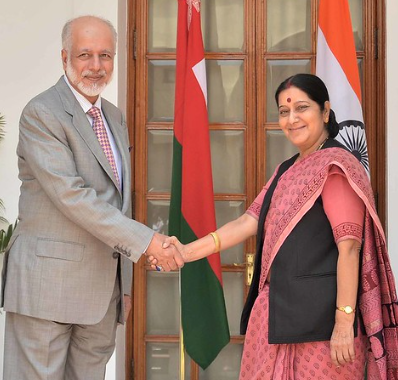
As External Affairs Minister, Sushma Swaraj brought a human touch to diplomacy. Her presence on Twitter wasn’t just a political strategy — it was a lifeline for thousands of Indians abroad, especially women trapped in abusive marriages or stranded in foreign lands.

She personally intervened in hundreds of such cases, making the Ministry of External Affairs a symbol of hope. Women knew — if no one else listened, Sushma Swaraj would.

Here are two real and powerful stories showcasing Sushma Swaraj’s deep compassion & commitment to women empowerment:


🌍 1. Saving Indian Women Abroad – The “Mother of NRI Distressed Women”

Sushma Swaraj, during her tenure as External Affairs Minister, became a beacon of hope for countless Indian women trapped in abusive marriages abroad.
One such case was of an Indian woman in Saudi Arabia, who had been locked up and beaten by her employer. When her desperate family tweeted to Sushma Swaraj, she personally intervened, directing the Indian embassy to act swiftly. The woman was rescued and flown back home.

Sukhwant Kaur — Trafficked and Forced into Slavery

Also in 2017, Sukhwant Kaur, a 55-year-old woman from Jalandhar, was similarly tricked by agents into going to Saudi Arabia. She ended up working as a slave laborer—denied wages, beaten, and locked away. Her husband sought help from the Indian government, and Sushma Swaraj personally intervened. In under days, Sukhwant was back home—safe and reunited with her family. She sent thanks message to Sushma Swaraj.

🔸 Impact: She restored dignity and safety for women across borders, treating every call for help like a personal mission.
Swaraj once said, “Even if you are stuck on Mars, the Indian Embassy will help you.”


🛂 2. Fast-tracking Visa for a Pakistani Girl’s Medical Emergency

In 2017, Sushma Swaraj approved a medical visa for a 7-year-old Pakistani girl, who needed urgent heart surgery in India.
Despite rising tensions between India and Pakistan, she said,

“The child should not suffer because of the political situation. We will issue the visa.”

🔸 Message: Through this act of compassion, she showed how true empowerment transcends borders, politics, and prejudice. Her leadership taught women to lead with both strength and empathy.


Her Fight for Equality and Dignity

Sushma Swaraj wasn’t a loud feminist. She didn’t need to be. Her actions spoke louder. She championed:

  • Women’s education and representation
  • Safety and dignity for Indian women abroad
  • Stronger laws to support women in distress
  • Equal opportunity in public leadership

She was a living example that women don’t need to prove they are equal — they already are. What they need is space, support, and opportunity — and she dedicated her career to creating that.

Sushma Swaraj

Sushma Swaraj

A Woman of Grace, Grit & Compassion

Even in heated political debates, Sushma Swaraj held herself with unmatched grace. She earned respect across party lines, a rare quality in today’s divisive political climate. She was not just a politician; she was a mentor, a mother figure, and a torchbearer for thousands of young Indian women who now dream bigger because of her.


Her Legacy: Lighting the Way for Tomorrow’s Women

Sushma Swaraj’s story tells us:

  • You can lead with compassion and still be strong.
  • You can be assertive without being aggressive.
  • And you can change the world not just by laws, but with empathy and courage.

In her memory, countless women rise — not with anger, but with purpose. To speak, to serve, to lead.


🎯 Achievements & Contributions

🔹 External Affairs Minister (2014–2019)

  • Widely respected for her swift humanitarian response, especially through Twitter.
  • Rescued thousands of Indians abroad in crisis situations, including from:
    • Yemen during civil war
    • Middle East in domestic violence and job scams
    • Pakistan for cross-border humanitarian visas

🔹 Women’s Empowerment

  • Promoted gender representation in governance
  • Mentored young women leaders
  • Stood up for victims of domestic violence, dowry harassment, and trafficking

🔹 Media & Communication

  • Revamped Doordarshan, launched FM radio in India as I&B Minister
  • Advocated for freedom of the press and ethical journalism

Challenges Faced

  • Bellary defeat (1999) against Sonia Gandhi, despite valiant campaign in just 12 days.
  • Health struggles in later years, including a kidney transplant in 2016
  • Navigated politics in a male-dominated environment, overcoming gender bias with dignity

💕 Personal Life

  • Husband: Swaraj Kaushal, a prominent lawyer and former Governor of Mizoram
  • Daughter: Bansuri Swaraj, a lawyer

🕊️ Awards & Honors

  • Outstanding Parliamentarian Award (2004)
  • Posthumously awarded Padma Vibhushan (2020) – India’s second-highest civilian award

🌼 Final Tribute

On 06 Augest, 2019, Sushma Swaraj breathed her last with the nation on her mind and duty in her heart. Even in her final hours, she stood as a pillar of service—her soul departing in silent dedication to the people she served all her life.

Sushma Swaraj wasn’t just a politician — she was a symbol of what women in leadership can be: ethical, effective, and empathetic.

She inspired millions of women to step forward, speak up, and lead with courage and compassion.

🌸 “She Spoke, and the Nation Listened” 🌸

— A Tribute to Sushma Swaraj

She wore her saree like armor bright,
With grace that calmed and strength so light.
A voice of courage, calm and clear,
She spoke — and millions rose to cheer.

Not just a leader, but a guiding flame,
In halls of power, she carved her name.
Where silence fell, her words would rise,
A daughter of Bharat, bold and wise.

She held the truth like sacred art,
With strength in soul and lion’s heart.
For every girl who dared to dream,
She became the light, the living stream.

She walked with purpose, heart so wide,
For every woman silenced or denied.
She didn’t just rise — she reached behind,
To lift the broken, the lost, the blind.

Through trials faced and glass ceilings torn,
A warrior of dignity, quietly born.
Now stars above may claim her grace,
But her fire still burns in every place.


💬 A Quote to Remember

“Empowering women is not a slogan. It’s a duty, a commitment to our future.”Sushma Swaraj


Call to Action:

Women Empowerment

She rose… so can you.
Every woman holds the fire to transform her pain into power, her silence into strength.
Stand tall. Speak up. Lift another.
Because when one woman rises, she takes a hundred more with her.
Be the spark. Be the change. Empower one, empower all.


Read our tribute to women warriors here.

Reference – Biograpghy of Sushma Swaraj.

2 Women 1 Bond: Sindhutai Sapkal & Her Daughter’s Spiritual Rise: From Hurt to Healing to Empowering

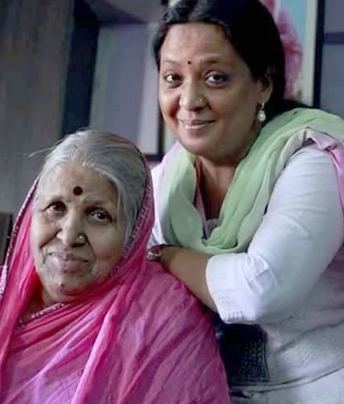
Sindhutai Sapkal & Daughter

“A mother is defined not just by child birth; sometimes, pain, rejection, and purpose makes her a mother.”

How many times you must have crumbled over small setbacks—losing your temper, feeling stressed, or seeking revenge for petty hurts? But then, there are stories that will humble you. Stories of women who endured unbearable pain, silence, and injustice. They didn’t scream or strike back—they rose with the hurt. Today, we bring you a real-life journey of 2 such women – mother daughter duo—broken by life, yet unshaken in spirit. Their response to suffering is what truly raises them to the highest spiritual health with inner peace & contentment and earns them our deepest respect🙏.


💫 The Story of Sindhutai Sapkal — From Rejection to Reverence

Born into a poor cattle-grazing family in Wardha, Maharashtra in 1948, Sindhutai Sapkal was married off at the tender age of 12 to a man 20 years older. Her life quickly spiraled into abuse and betrayal. At 20, pregnant and beaten, she was thrown out of her home by her husband.

Left on the streets with a newborn in her arms, she begged to survive—but never begged for sympathy. Instead, she found purpose in the cries of orphans around her.

That’s where her spiritual journey began—not in temples, but in selfless motherhood.


💔 The Untold Pain Behind Sindhutai Sapkal’s Marriage

A Child Bride With Dreams, Silenced Too Soon

Born as Sindhu Sathe in 1948 in a poor family in Wardha, Maharashtra, she was lovingly called “Chindhi”, meaning torn cloth, because her family believed she was unwanted.
Her father, though financially weak, believed in education and secretly sent her to school by using cow dung leaves as paper and charcoal as ink.

However, societal norms prevailed, and at the tender age of 12, Sindhu was married off to a man 20 years older—a 32-year-old cowherd named Shrihari Sapkal. Her dreams were buried under the burden of a household far too early.


The Deep Wounds of Abuse and Distrust

Sindhutai’s marriage was marked by emotional torment, beatings, and suppression. Her husband, insecure and manipulated by village politics, grew increasingly suspicious of her.

At age 20, while nine months pregnant, Sindhutai stood up for the rights of Adivasi women who were being exploited by local authorities. She publicly questioned a forest officer for withholding wages from tribal workers—a bold move for a woman, let alone one from a backward village.

This act of courage, however, invited wrath instead of respect.


🩸 Betrayal That Left Her Bleeding—Literally

The forest officer, enraged by her defiance, falsely accused her of being a prostitute. Rumors spread quickly, and her husband—without verification—believed the lie.

One night, in a fit of rage and blind shame, he beat her brutally and threw her out of the house. Alone, bruised, and bleeding, she found herself abandoned by the very person she had dedicated her young life to.


🌙 Alone Under the Sky—Giving Birth in a Cow Shelter

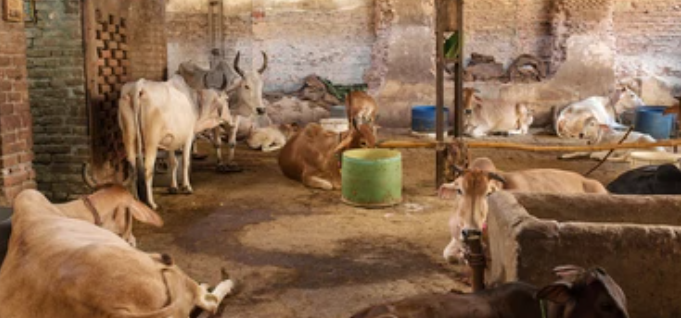
Homeless, with no food, no family, and just days away from delivery, Sindhutai took refuge in a cow shelter (gau shala).
Under the shelter of a broken roof and amid haystacks, she gave birth to her daughter—alone.

That night, without a single soul to help her, she cut the umbilical cord with a sharp stone, wrapped her newborn in rags, and made a decision:

“If I can survive this night, I will not let another child feel this pain.”

That moment was her spiritual rebirth.


🧘Spiritual Health Born Through Service

Rather than surrender to trauma, Sindhutai transformed her suffering into seva (service). She adopted over 1,400 orphaned children and became “Mai” (Mother) to all of them.

She lived in ashrams and train stations, sang bhajans for food, and used every rupee earned to feed and shelter abandoned kids. Her emotional wounds became her spiritual strength.

She believed:

“I have no one… That’s why I became mother to everyone.”

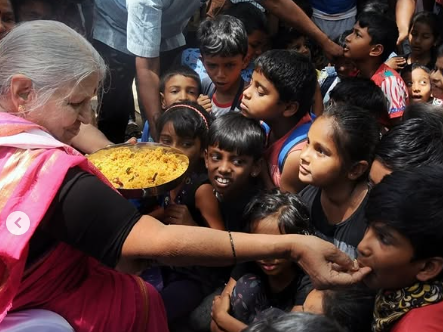
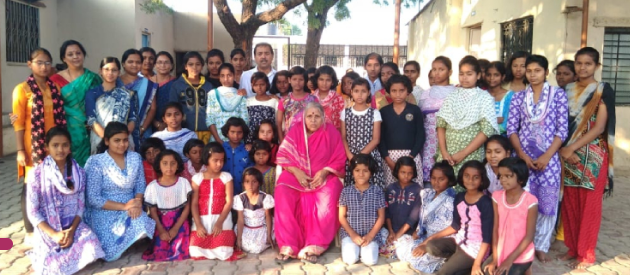
Sindhutai Sapkal feeding the orphans

🌼 Forgiveness That Stunned the World

Sindhutai Sapkal with husband Hari Sapkal

Years later, when her husband grew old and was left destitute, Sindhutai forgave him. She took him in—not as her husband—but as another orphan, one among the thousands she adopted.

“I accepted him as one of my children,” she said. “Because he too had no one.”

This profound act of forgiveness and spiritual transcendence touched millions. It reflected not weakness, but the deepest strength—the kind that comes only from the heart of a mother and the soul of a healer.

Her ability to forgive her abusive husband, even allowing him to live in her shelter as an orphan, was perhaps her deepest act of spiritual transcendence.


Why Indian Women Tend to Be Spiritually Healthier Than Men

In India, women are often raised with values of compassion, devotion, and sacrifice. From praying daily to holding families together during crises, spirituality becomes not just a practice—but a way of life.

🌸 Story of a Mother in India

She entered her home with dreams in her eyes,
But those dreams slowly turned into silent cries.
Behind the veil, she hid her scars,
Smiling by day, weeping under the stars.

Words cut deeper than the wounds she bore,
Yet she stayed strong, always wanting more—
Not for herself, but for the ones she fed,
With trembling hands and prayers silently said.

She told herself each sleepless night,
“My children will rise, they’ll touch the light.”
She swallowed pain, served love on a plate,
And waited for life to change her fate.

She never spoke of the life she lost,
For her children’s dreams, she bore every cost.
She is every mother—quiet, unseen,
The strength behind every child’s dream.

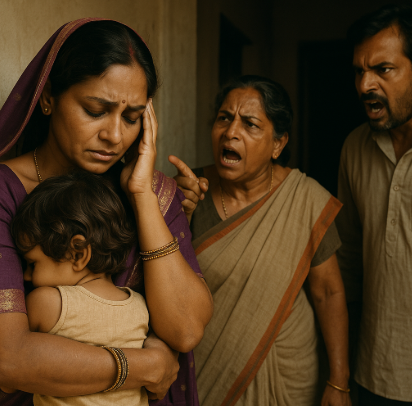
Indian House - Mother-in-law & husband abusing

🕉️ Key reasons why Indian women exhibit higher spiritual resilience

Indian Mother in Temple

  • 1. Rooted in Rituals: Many women grow up participating in pujas, vrats, and spiritual stories that build emotional grounding.
  • 2. Emotional Strength through Adversity: From facing gender bias to handling family responsibilities, women often channel pain into prayer and surrender.
  • 3. Devotion over Ego: Culturally, women are taught humility and devotion, while men are often expected to lead externally rather than reflect internally.
  • 4. Nurturing Energy: The divine feminine or Shakti represents the ultimate creative and healing force — women embody that energy naturally.

🌼 Legacy of Sindhutai Sapkal: A Spirit Beyond Her Time

Sindhutai passed away in 2022, leaving behind not just children, but a living temple of love. Many of her adopted children became doctors, lawyers, social workers, and even caretakers of other orphans.

Her life is a masterclass in spiritual health through selflessness.


👩‍👧 The Silent Sacrifice: Sindhutai and Her Daughter Mamta

The night Sindhutai gave birth alone in a cow shelter, clutching her belly under an open sky, she also gave birth to her destiny.
That child—her only biological daughter—was named Mamta.

But life would soon demand of her an even more profound sacrifice.

Sindhutai Sapkal with Orphans

Despite the deep love she held for Mamta, Sindhutai realized that if she were to dedicate her life to hundreds of orphaned children, she must not show any sign of personal attachment or bias. She feared that raising her own daughter alongside orphans might create a sense of inequality among them.


💔 A Mother’s Painful Choice

In an act of almost unimaginable spiritual strength, Sindhutai entrusted Mamta to a trust to be raised separately.
It wasn’t abandonment—it was a conscious act of selflessness.
She believed that by doing so, she could love every orphan she adopted as her own, without any distinction.

I gave away my own daughter to serve thousands of children equally. That was not easy. But love is not ownership—it is surrender,” she once said.


🧕 Mamta’s Understanding and Strength

Sindhutai Sapkal Daughter - Mamta Sindhutai Sapkal

Years later, Mamta reunited with her mother, not just emotionally but in her mission.
Today, Mamta is actively involved in the work and social institutions her mother built, standing proudly beside her as a reflection of quiet strength and generational purpose.

Mamta never resented her mother’s decision. Instead, she grew up understanding the enormity of Sindhutai’s path and has since embraced her role in continuing her mother’s legacy.


🌟 A Legacy Passed On

Sindhutai’s story is not only of her own spiritual power—it’s also a story of a daughter who inherited that strength, not through comfort, but through courage.

Together, their journey tells us this:

True healing & upliftment happens not when we take, but when we give.

Mamta Sindhutai Sapkal

💖 A Call to Reflect

In a world chasing status and material success, Sindhutai reminds us that true power lies in giving.
Her legacy is proof that a woman’s deepest strength isn’t in her status, but in her soul.

Let us honor her by empowering women to turn pain into purpose, and hearts into homes of healing.


🏆 Sindhutai Sapkal: Awards and Recognitions

🥇 1. Padma Shri (2021)

One of India’s highest civilian honors, awarded by the Government of India for her distinguished service in the field of Social Work.

“For selfless service to over 1,500 orphaned children and creating 6+ institutions for their care.”


🌿 2. Mother Teresa Award for Social Justice (2013)

Awarded for her lifelong dedication to uplifting the poor, abandoned, and orphaned, especially children and women.


🏅 3. Real Heroes Award by CNN-IBN and Reliance Foundation (2008)

Celebrated as a true grassroots hero for changing lives through love, care, and perseverance.


🥇 4. Ahilyabai Holkar Award by Government of Maharashtra (2010)

For her work in women empowerment and child welfare in Maharashtra.


💖 5. Jeevan Sadhana Gaurav Award

By Pune University, recognizing her lifetime achievement in social service.


🎓 6. Honorary Doctorate (D.Litt.) by DY Patil Institute of Technology, Pune

In recognition of her extraordinary contributions to society, especially in education and rehabilitation.


🕊️ 7. National Award for Iconic Mother (2016)

Given for her role as a universal mother figure to thousands of orphaned and abandoned children.


🧡 8. Nari Shakti Puraskar (2017 Nominee)

India’s highest civilian award for women, she was widely recommended and celebrated for her empowering work with women and children.


🏠 Legacy Beyond Awards

  • Over 1,500+ children lovingly raised
  • Many became doctors, lawyers, engineers—and some now run her orphanages
  • Founded 4 organizations including:
    • Savitribai Phule Girls’ Hostel
    • Mamta Bal Bhavan
    • Sanmati Bal Niketan
    • Abhiman Bal Bhavan

If you wish to donate to above organizations, check Mamata Sindhutai Sapkal’s website here.

Read about Women Empowerment & India’s ranking in gender gap here.

17 Sustainable Development Goals To Save Our Planet – Your Role Starts Now

Save the Planet - Sustainable Development Goals


🌍A Story of Hope, Action & Change

On a dusty morning in a remote village in India, a little girl named Khushboo walks 3 kilometers every day to fetch water, dreams of becoming a teacher, and still studies by candlelight. Across the ocean, in a crowded urban slum in Brazil, a young boy named Diego plants trees with his mother, hoping to bring back the birds that once sang in their streets. In a high-rise office in Germany, a woman CEO pledges to hire more equitably and reduce her company’s carbon footprint.

These lives may seem worlds apart, but they are all connected—by hope, by action, and by a powerful global vision: the United Nations Sustainable Development Goals (SDGs).

Adopted by 193 countries in 2015, the 17 SDGs form a universal blueprint to end poverty, protect our planet, and ensure dignity and prosperity for all—by 2030. This isn’t just a plan for governments. It’s a call for each of us—to act, to care, and to lead.


🏛 Formation of the United Nations

The United Nations (UN) was officially established on October 24, 1945, following the devastation of World War II. Its formation aimed to prevent future global conflicts, promote peace and security, and foster international cooperation. The charter was ratified by 51 countries, and today, the UN has 193 member states.


⛿ United Nations Flag

The UN flag, adopted on October 20, 1947, features a map of the world centered on the North Pole, surrounded by two olive branches. These olive branches symbolize peace, while the global map represents the organization’s universal reach. The flag’s light blue background was chosen to contrast with the red and black of war.

UN Flag

United Nations Headquarters & Meetings

The headquarters of the United Nations is located in New York City, USA, on international territory granted by the U.S. government. Designed by a team including architect Le Corbusier, the complex opened in 1952. It includes iconic structures such as the General Assembly Hall and the Secretariat Building.

In addition to the main HQ, the UN also has major offices in Geneva (Switzerland), Vienna (Austria), and Nairobi (Kenya), each focusing on specialized roles and regional cooperation.

The UN conducts numerous high-level meetings throughout the year:

  • General Assembly (GA): Annual meeting in September where all 193 member states participate.
  • Security Council Meetings: Ongoing sessions addressing international peace and security.
  • High-Level Political Forum (HLPF): Annual meeting reviewing SDG progress.
  • UN Climate Conferences (COP): Key global discussions on climate change.

These meetings facilitate collaboration, negotiation, and policy-setting across nations to address global challenges.


History of the UN Sustainable Development Goals

The Sustainable Development Goals (SDGs) were adopted by all United Nations Member States in 2015 as part of the 2030 Agenda for Sustainable Development. They succeeded the Millennium Development Goals (MDGs), which had guided global development efforts from 2000 to 2015. The MDGs focused on issues like poverty, hunger, education, and health, but were seen as limited in scope and lacking inclusivity.

To address broader and more interconnected challenges—ranging from inequality and climate change to peace and justice—the United Nations conducted a global consultation involving civil society, experts, and citizens. This inclusive process led to the creation of 17 SDGs and 169 associated targets, aiming to balance the economic, social, and environmental dimensions of sustainable development. The SDGs are a universal call to action to end poverty, protect the planet, and ensure that all people enjoy peace and prosperity by 2030.


UN’s 17 Sustainable Development Goals (SDGs)

UN's SDG

1. No Poverty

  • Goal: Eradicate extreme poverty for all people everywhere.
  • What You Can Do: Donate to credible charities. Support small local businesses and social enterprises. Volunteer in community upliftment projects. Raise awareness about poverty-related issues.

2. Zero Hunger

  • Goal: End hunger, achieve food security, and promote sustainable agriculture.
  • What You Can Do: Reduce food waste. Support local farmers and organic produce. Volunteer at food banks. Donate to hunger relief programs.

3. Good Health & Well-being

  • Goal: Ensure healthy lives and promote well-being for all at all ages.
  • What You Can Do: Promote physical activity and mental wellness. Share credible health information. Support accessible healthcare initiatives. Get vaccinated and help others do the same.

4. Quality Education

  • Goal: Ensure inclusive and equitable quality education and promote lifelong learning.
  • What You Can Do: Sponsor education for underprivileged children. Volunteer to teach or mentor. Donate books and learning material. Advocate for education rights.

5. Gender Equality

  • Goal: Achieve gender equality and empower all women and girls.
  • What You Can Do: Challenge gender stereotypes. Support women-led businesses. Speak out against gender-based violence. Educate others about equality and rights.

6. Clean Water & Sanitation

  • Goal: Ensure availability and sustainable management of water and sanitation for all.
  • What You Can Do: Conserve water. Avoid polluting water bodies. Support clean water initiatives. Educate on hygiene and sanitation.

7. Affordable & Clean Energy

  • Goal: Ensure access to affordable, reliable, sustainable, and modern energy for all.
  • What You Can Do: Use energy-efficient appliances. Support renewable energy sources like solar. Turn off unused electronics.

8. Decent Work & Economic Growth

  • Goal: Promote inclusive and sustainable economic growth, employment, and decent work for all.
  • What You Can Do: Support ethical and fair-trade brands. Advocate for fair wages. Empower youth with skill development.

9. Industry, Innovation & Infrastructure

  • Goal: Build resilient infrastructure, promote inclusive and sustainable industrialization.
  • What You Can Do: Promote eco-friendly and inclusive innovation. Support tech for good initiatives. Encourage STEM education.

10. Reduced Inequalities

  • Goal: Reduce inequality within and among countries.
  • What You Can Do: Support diversity and inclusion in your community. Speak up for marginalized voices. Promote equal opportunity workplaces.

11. Sustainable Cities & Communities

  • Goal: Make cities and human settlements inclusive, safe, resilient, and sustainable.
  • What You Can Do: Use public transport, carpool, or bike. Reduce plastic use. Participate in community clean-up drives.

12. Responsible Consumption & Production

  • Goal: Ensure sustainable consumption and production patterns.
  • What You Can Do: Buy only what you need. Choose reusable over single-use. Recycle and compost. Support sustainable brands.

13. Climate Action

  • Goal: Take urgent action to combat climate change and its impacts.
  • What You Can Do: Reduce your carbon footprint. Use eco-friendly transport. Join climate marches. Educate others about climate change.

14. Life Below Water

  • Goal: Conserve and sustainably use the oceans, seas, and marine resources.
  • What You Can Do: Say no to single-use plastics. Avoid overfishing. Participate in beach cleanups. Support marine conservation groups.

15. Life on Land

  • Goal: Sustainably manage forests, combat desertification, halt biodiversity loss.
  • What You Can Do: Plant trees. Protect wildlife habitats. Don’t buy products linked to deforestation or animal cruelty.

16. Peace, Justice & Strong Institutions

  • Goal: Promote peaceful societies, provide access to justice, build accountable institutions.
  • What You Can Do: Advocate for justice and transparency. Report corruption. Support legal aid for the underprivileged.

17. Partnerships for the Goals

  • Goal: Strengthen global partnerships to support and achieve the SDGs.
  • What You Can Do: Collaborate with NGOs, businesses, or governments. Share knowledge and resources. Promote collective action.

Remember: Every small action counts. Be the change—locally and globally.


Key Milestones & Timeline of UN SDG Meetings

  • 2012 – Rio+20 Conference (Rio de Janeiro, Brazil): Laid the groundwork for the SDGs, building upon the Millennium Development Goals (MDGs).
  • 2013-2014 – Open Working Group (New York, USA): Consultations on proposed goals and indicators.
  • 2015 – UN Sustainable Development Summit (New York, USA): Adoption of the 2030 Agenda for Sustainable Development and the 17 SDGs.
  • 2016 – First High-Level Political Forum (New York, USA): Focused on implementation strategies.
  • 2019 – SDG Summit during the UN General Assembly (New York, USA): Reviewed progress at the midpoint to 2030.
  • 2020-2022 – Virtual HLPFs: Adapted due to COVID-19, focusing on pandemic recovery aligned with SDGs.
  • 2023 – SDG Summit (New York, USA): Accelerated action for the Decade of Action.
  • 2024-2030 – Ongoing HLPFs and regional meetings (various global locations): Address climate action, gender equity, and inclusive development.
  • 2030 – Global milestone: Deadline for achieving all 17 SDGs.

2030 SDG Target Highlights

The following key targets are set for achievement by 2030:

  • Eradicate extreme poverty and hunger worldwide.
  • Achieve universal access to quality education and healthcare.
  • Eliminate gender-based violence and ensure gender equality.
  • Ensure availability of clean water and affordable, clean energy.
  • Promote inclusive economic growth, full and productive employment.
  • Reduce inequalities within and among countries.
  • Take urgent climate action to mitigate and adapt to climate change.
  • Protect biodiversity in oceans and on land.
  • Promote peace, justice, and inclusive societies.
  • Strengthen partnerships and mobilize global cooperation for sustainable development.

These targets are supported by 169 specific indicators that guide action and progress tracking.

Poverty & Education

🎯 2030 Climate Action Targets

Climate Action

  1. Cut Global Greenhouse Gas Emissions by 43% from 2019 levels (to limit warming to 1.5°C).
  2. Phase Out Fossil Fuel Subsidies and redirect them to renewables and climate resilience.
  3. Ensure Climate Resilient Infrastructure in at least 50% of vulnerable nations.
  4. Reach 70% Global Renewable Energy Share in electricity generation.
  5. Mobilize $100 Billion Annually from developed nations for climate finance to developing countries (originally promised by 2020, now reinforced through 2030).
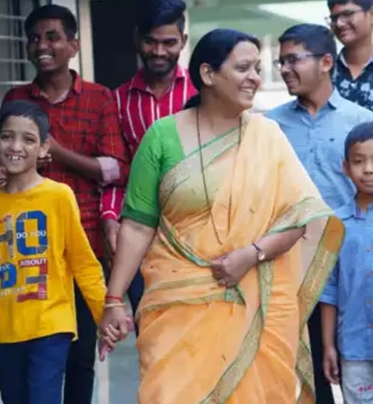
  6. Implement Climate Education in All National Curriculums to improve awareness and adaptation strategies.

Call to Action

🌍 Join the Global Movement for a Better Tomorrow!
Every action—big or small—matters. Start today by educating yourself, making sustainable choices, and inspiring others. Support local initiatives, reduce waste, fight inequality, and raise your voice for climate action.
💪 Together, we can achieve the 17 Global Goals by 2030. The planet needs YOU.
Act now. Share. Volunteer. Advocate. Be the change.


Reference United Nations official site.

Read inspiring stories on Women Empowerment here.

What is Women Empowerment? India’s Gender Gap 2025 & Rise Of Women Like Kalpana Saroj

Women Empowerment


Women Empowerment:

Women empowerment refers to the process of increasing the social, economic, political, educational, and legal strength of women, enabling them to have equal rights, opportunities, and freedoms in all spheres of life.

Key aspects:

  1. Economic Empowerment: Giving women the means to earn a livelihood, own property, access financial resources, and become financially independent.
  2. Educational Empowerment: Ensuring equal access to quality education so women can pursue careers, become leaders, and make informed decisions.
  3. Social Empowerment: Eliminating gender-based discrimination, violence, and stereotypes, and allowing women to live with dignity and respect.
  4. Political Empowerment: Increasing women’s participation in politics, governance, and decision-making at all levels.
  5. Legal Empowerment: Ensuring that women know their rights and have access to justice, protection under the law, and equal treatment.

Why It Matters:

  • Empowers families and communities.
  • Reduces poverty and promotes development.
  • Leads to better education and health outcomes for future generations.
  • Builds a more just and equitable society.

In Simple Words:

Women empowerment means giving women the freedom to choose, the voice to speak, and the power to lead.


🌏 Global Gender Gap Report 2025

By World Economic Forum:

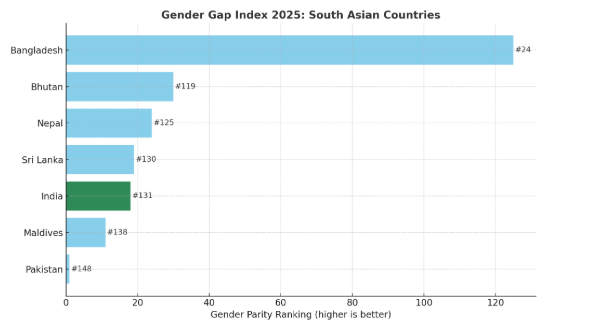
  • Overall Rank: India is placed 131st out of 148 countries, slipping two places from its 2024 position of 129th.
  • Gender Parity Score: 64.4% (an improvement of +0.3 percentage points over 2024).

Regional Comparison (South Asia 2025):

CountryGlobal Rank
Bangladesh24
Bhutan119
Nepal125
Sri Lanka130
India131
Maldives138
Pakistan148

Here’s a visual comparison of South Asian countries based on the Global Gender Gap Index 2025. As shown:

Gender Gap - India vs South East Asian Countries

  • India ranks 131st, lagging behind countries like Bangladesh (24th) and even Nepal (125th).
  • Only Maldives and Pakistan rank lower in the region.

This highlights the significant room for improvement in gender parity efforts in India, especially in political and economic empowerment.

Key Takeaways

  • Despite marginal gains, India’s overall gender parity remains low, ranking among the bottom quarter globally.
  • Strong performance in education (near parity) and health.
  • Severe gaps persist in economic participation and particularly in political empowerment.
  • While the gender parity score improved slightly, many neighbouring countries outperform India in closing the gap.

In summary:
India is currently ranked 131st globally on the WEF’s Gender Gap Index (64.4% parity), alongside moderate gains in economic participation, education, and health, but declines in political empowerment Reference.

Its position is among the lowest in South Asia. On the UN’s GII, India ranks 102nd, showing progress but still far from equality.


📉 Key Facts: India’s Gender Gap in Employment (2025)

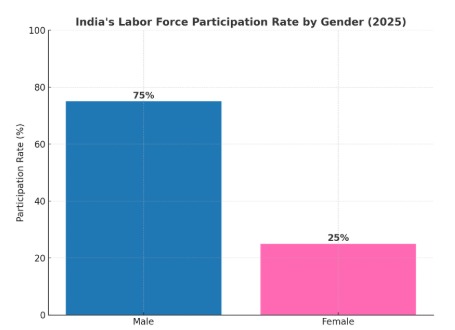
India faces a significant gender gap in employment, with one of the lowest female labor force participation rates in the world. Despite improvements in education, women’s access to paid, secure, and dignified work remains limited and unequal.

India's Labor Force Participation

🚺 Female Labor Force Participation Rate (FLFPR):

  • Only ~25% of Indian women (aged 15 and above) are part of the labor force.
  • In contrast, ~75% of Indian men are economically active.
  • Globally, India ranks among the bottom 10 countries in this metric.

⚙️ Employment Type:

  • Most working women are engaged in informal, low-paid, and unprotected jobs, such as:
    • Agricultural labor
    • Domestic work
    • Garment and textile industries
  • Very few women hold formal jobs or leadership roles in corporate or government sectors.

🔍 Reasons Behind the Gender Gap:

FactorImpact
Cultural & Family NormsPressure to prioritize household duties, early marriage
Safety ConcernsFear of harassment in workplaces and public transport
Lack of ChildcareWomen leave jobs after childbirth due to poor family support
Gender Pay GapWomen earn 20–30% less than men for the same work
Education-Employment DisconnectEducated women still struggle to find suitable opportunities
Limited Skill DevelopmentMany lack access to skill training or financial literacy

  • Women’s work in agriculture is declining.
  • Female unemployment among graduates is nearly 4x higher than male graduates.
  • Urban women’s participation (around 19%) is lower than in rural areas (around 27%), reflecting a lack of urban job inclusion.

What Can Help Reduce the Gap?

  • Safe and inclusive workplaces
  • Maternity and childcare support
  • Skill development programs
  • Flexible and remote work policies
  • Awareness campaigns to change mindsets

In Summary:

India’s gender gap in employment is not just an economic issue—it’s a social, cultural, and structural challenge. Empowering women to participate equally in the workforce will unlock enormous potential for India’s growth and development. Reference.


💰 Gender Pay Gap in India – A Persistent Inequality

The gender pay gap refers to the difference in average earnings between men and women doing the same or similar work. In India, this gap remains wide and is a major barrier to gender equality and women’s economic empowerment.


📊 Key Facts: Gender Pay Gap in India (2025)

Sector/RoleWomen’s Earnings (as % of Men)
Overall (all sectors)~77% (i.e., 23% pay gap)
Formal private sector~80–85%
Corporate C-suite~52–70%
Agriculture & Informal sectors<70%
Skilled professionals85–90%

📌 On average, women earn ₹77 for every ₹100 earned by men for the same work.


🧩 Why Does the Gender Pay Gap Exist?

CauseExplanation
Occupational segregationWomen are overrepresented in low-paying jobs (teaching, caregiving, etc.)
Fewer women in leadershipLeadership roles with higher pay are mostly held by men
Unpaid care workWomen take career breaks for childcare or elder care
DiscriminationWomen are often offered lower starting salaries than men
Lack of pay transparencySalary structures are rarely open, making it hard to detect bias

📉 Impact of the Gender Pay Gap:

  • Reduces women’s lifetime earnings, savings, and retirement security.
  • Reinforces economic dependence and inequality.
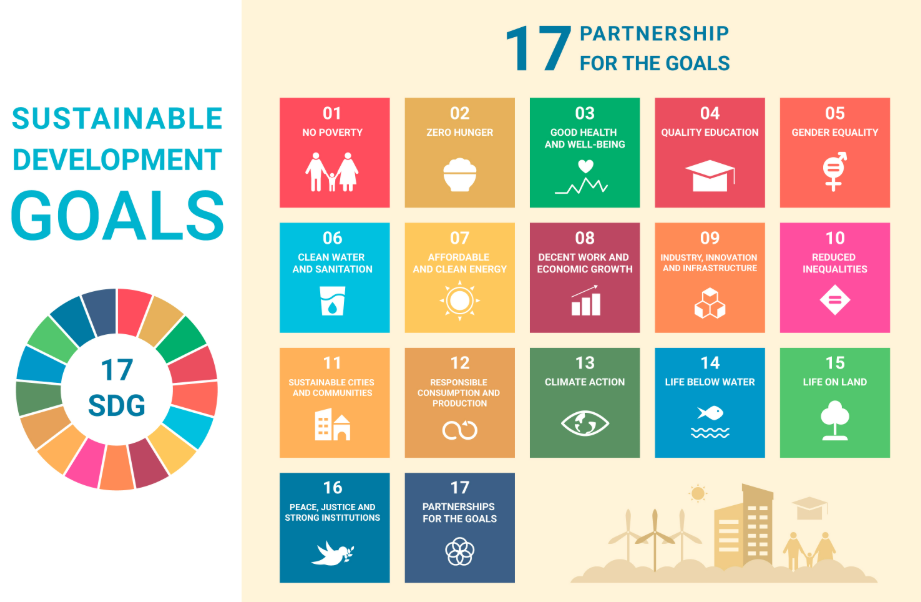
  • Deters girls and women from entering high-value fields (STEM, business).
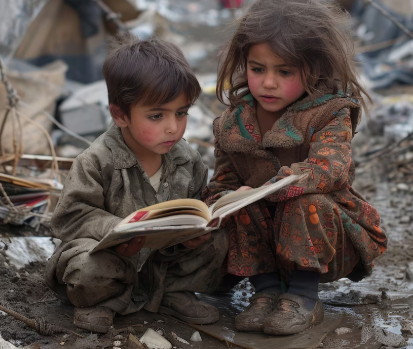
  • Limits the country’s GDP potential—studies show that equal pay could boost India’s GDP by over 27%.

⚖️ What Can Help Close the Gap?

  1. Equal Pay for Equal Work enforcement (as per Equal Remuneration Act).
  2. Pay transparency and salary audits in companies.
  3. Promotion of women in leadership roles and high-paying industries.
  4. Flexible work policies to retain mid-career women.
  5. Encouraging women in STEM, finance, and entrepreneurship.

🛎️ In Summary:

India’s gender pay gap is a systemic issue, not just about individual choices. Closing the gap isn’t just fair—it’s smart economics. A more equal pay system will benefit women, families, and the nation as a whole.


🧨 Domestic Violence in India – A Deep Issue

Domestic violence in India is a serious and widespread issue affecting women across all classes, religions, and regions. It includes physical abuse, emotional torture, sexual violence, economic control, and verbal harassment, often behind closed doors.


Under the Protection of Women from Domestic Violence Act, 2005, domestic violence is:

“Any act, omission or commission or conduct of the respondent that harms or threatens to harm the health, safety, life, limb or well-being of the woman.”

This includes:

  • Physical abuse (hitting, slapping, pushing, etc.)
  • Emotional abuse (insults, threats, humiliation)
  • Sexual abuse
  • Economic abuse (withholding money, controlling finances)

📊 Shocking Statistics (NCRB & NFHS-5 Data):

  • 1 in 3 Indian women (aged 18–49) has experienced physical or sexual violence.
  • Only ~14% of women who experience violence seek help, mostly from family, not police.
  • During the COVID-19 lockdown, reports of domestic violence surged by over 50%.

🚨 Why It Continues:

  • Deep-rooted patriarchy and gender inequality.
  • Fear of social stigma and victim-blaming.
  • Financial dependence on the abuser.
  • Weak law enforcement or delayed justice.
  • Lack of awareness about rights and support systems.

🛡️ Support & Helplines:

  • National Commission for Women (NCW) Helpline: 7827-170-170
  • Women’s Helpline Number (All India): 1091
  • Legal aid and shelter homes (Mahila Shakti Kendras, One Stop Centres) exist but are underused.

🔔 What Needs to Change:

  • More awareness and education on gender rights.
  • Stronger implementation of laws and faster justice.
  • Economic empowerment of women to walk away from abuse.
  • Societal support—not silence.

In Summary:

Domestic violence in India isn’t just a personal issue—it’s a human rights violation. Real change will come when society stops tolerating silence and starts supporting survivors with empathy and action.


The Inspiring Journey of Kalpana Saroj

From Child Bride to Business Tycoon

Background:
Born in 1961 in a Dalit family in a small village in Maharashtra, Kalpana Saroj faced caste discrimination, poverty, and gender bias from an early age. At just 12, she was married off and sent to live in a slum in Mumbai with her abusive in-laws. She attempted suicide at 16 after enduring severe emotional and physical abuse.

Turning Point:
Rescued by her father, Kalpana returned home and decided to rebuild her life. She learned tailoring and started a small business with the help of a government loan of ₹5,000. She faced numerous challenges but never gave up.

Kalpana Saroj

Rise to Power:
Through sheer determination and entrepreneurial spirit, she eventually took over a struggling company—Kamani Tubes—a sick industrial unit. Everyone doubted her, but she revived the company, turned it profitable, and became one of India’s most successful entrepreneurs.

Recognition:
In 2013, she was awarded the Padma Shri, one of India’s highest civilian honors, for her contributions to trade and industry.


Why This Story Matters:

Kalpana Saroj’s story is a true example of women empowerment. She broke societal shackles, rose above poverty, fought against domestic violence, caste,gender discrimination, and proved that with courage and opportunity, women can lead with strength and purpose.


🌍 Why Women’s Day is Celebrated:

  1. To Recognize Women’s Contributions:
    • It celebrates women’s achievements in various fields—science, business, politics, arts, education, and more.
    • It honors trailblazers like Kalpana Chawla, Indira Gandhi, Kiran Mazumdar-Shaw, and countless others.
  2. To Raise Awareness:
    • Highlights issues like gender pay gaps, domestic violence, lack of education, reproductive rights, and workplace discrimination.
    • Reminds the world that true equality is still a work in progress.
  3. To Inspire Change:
    • Encourages governments, organizations, and individuals to take action toward creating equal opportunities.
    • Promotes initiatives that empower women economically, socially, and politically.
  4. To Celebrate Unity and Solidarity:
    • Brings people of all genders together in support of a more inclusive, respectful, and fair world.
    • Supports women’s movements around the globe that are pushing for lasting change.

🕊️ Historical Background:

  • Originated from labor movements in the early 1900s in Europe and the US.
  • Officially recognized by the United Nations in 1977.
  • Every year has a different theme, like “Gender equality today for a sustainable tomorrow” or “DigitALL: Innovation and technology for gender equality”.
  • Video link

💬 In Simple Words:

Women’s Day is not just a celebration—it’s a call for respect, equal rights, and opportunities for every woman, everywhere.


Happy Women’s Day

Women’s Day is more than a date on the calendar—it’s a reminder, a movement, and a mission. While we honor women on March 8th, true empowerment comes when we celebrate, support, and uplift women every single day.

Let us not wait for a special occasion to recognize the strength of a mother, the determination of a daughter, or the leadership of a colleague. Every day is a chance to break stereotypes, fight inequality, and build a world where women rise without fear, without limits.


💪 Strong Call to Action for Women Empowerment

It’s time to move beyond words and take action. Women’s empowerment isn’t just a cause—it’s a responsibility, a movement, and a foundation for a just society.

🔥 Stand Up. Speak Out. Step In.

  • Raise your voice against inequality and discrimination.
  • Support and mentor women in your workplace and community.
  • Vote for and elevate women leaders in politics, business, and society.
  • Educate the next generation to believe in equal rights and respect.
  • Invest in women—their dreams, their businesses, their ideas.
  • Challenge stereotypes, break glass ceilings, and create spaces where women thrive.

Enough of silent competition and hidden envy. It’s time for women to rise by lifting one another.
One woman supporting another is not weakness—it’s power in motion.

🌟 Stand up for a sister. Speak up for the silenced. Share your knowledge. Celebrate her win.
Because when one woman stands tall, others find the courage to rise too.

Let’s stand side by side and build a world where every woman shines.
Start today. Support one woman—and watch the ripple change everything.

🌍 Because when one woman rises, she lifts an entire community.

Let’s build a world where every woman is seen, heard, safe, and unstoppable.

🚀 Don’t wait. Empower a woman today—because empowerment is the real revolution.


🌸 Top 10 Women’s Day Quotes

  1. “Here’s to strong women: May we know them, may we be them, may we raise them.”
  2. “A woman is the full circle. Within her is the power to create, nurture, and transform.”
    Diane Mariechild
  3. “She believed she could, so she did.”
  4. “There is no limit to what we, as women, can accomplish.”
    Michelle Obama
  5. “You don’t have to play masculine to be a strong woman.”
    Mary Elizabeth Winstead
  6. “The future is female.”
  7. “A strong woman stands up for herself. A stronger woman stands up for everyone else.”
  8. “Empowered women empower the world.”
  9. “Women are the real architects of society.”
    Harriet Beecher Stowe
  10. “Celebrate her for her strength, honor her for her resilience, and respect her for her voice.”

Read our post Tribute to Indian Women Warriors here.

🇮🇳 From Jhansi to Sindoor: A Tribute to India’s Women Warriors

Operation Sindoor-Women Warriors

💫 She wasn’t born to be silent. She was born to be a storm in uniform.”

In every chapter of India’s story, there’s a woman who dared to rise.

She rode into battle with her child tied to her back.
She walked through borders with boots, not bangles.
She stood at podiums in camouflage, not cosmetics.

From the valor of Rani Lakshmibai of Jhansi to the leadership of Colonel Sofiya Qureshi, and the defiant courage of BSF Assistant Commandant Neha Bhandari during Operation Sindoor, Indian women have proven one eternal truth:

She is not behind the force. She is the force.


👑 Rani Lakshmibai of Jhansi

The Warrior Queen Who Lit the Flame:

  • ⚔️ Rode into the 1857 revolt as a young widow and queen.
  • 🛡️ Led from the front, with her child strapped to her back.
  • 🇮🇳 Became the first Indian woman symbol of resistance to colonial rule.

Her legacy still echoes in the mountains of Ladakh and the bunkers of Akhnoor.

Rani lakshmi bai

🛡️ Women of Operation Sindoor

Descendants in Courage

Operation Sindoor - Women Warrior

✈️ Wing Commander Vyomika Singh – Voice from the Skies

  • Explained Operation Sindoor to the world with precision and calm.
  • Flew daring missions with over 2,500 flight hours.
  • Symbol of aerial bravery and quiet strength.

🪖 Colonel Sofiya Qureshi – A Strategist in Olive Green

  • The first Indian woman to lead a multinational military exercise.
  • Stood shoulder-to-shoulder with male generals during Sindoor briefings.
  • Her calm authority redefined leadership.

🌾 Assistant Commandant Neha Bhandari – The Lioness at the Border

  • Refused evacuation under enemy shelling in Akhnoor.
  • Led her 6-woman BSF team in heavy retaliatory fire.
  • A living echo of Jhansi ki Rani—in uniform, not in robes.
Neha Bhandari

🧬 Threading Generations: From Queen to Commander

EraWoman WarriorSymbol of
1857Rani LakshmibaiResistance & Rebellion
1992Maj. Priya JhinganBreaking Barriers in the Army
2025Women of Operation SindoorLeadership, Combat & Strategy

The thread of courage runs unbroken—from sword to stethoscope, from horsebacks to helicopters.


🪖 Major Priya Jhingan: India’s First Lady Cadet in the Army

Major Priya Jhingan

✉️ Breaking Barriers: The Letter That Changed History

In 1989, Priya Jhingan, then a law graduate, wrote a bold letter to the Chief of Army Staff, General S. F. Rodrigues, requesting that women be allowed to serve in the Indian Army. At that time, no policy existed for women officers in the forces. Her letter wasn’t just an inquiry—it was a spark that ignited systemic change.

In 1992, her dream came true. The Indian Army opened its doors to women, and Priya Jhingan became Lady Cadet No. 1 at the Officers Training Academy (OTA), Chennai, leading the first batch of 25 women cadets. Her courage and conviction paved the way for countless women to follow.


Commissioned in 1993, Major Jhingan served in the Judge Advocate General (JAG) branch, where she took on legal responsibilities, conducted courts-martial, and trained troops on military law. Her leadership was marked by discipline, grace, and grit.

After serving a full tenure of 10 years, she continued advocating for gender parity in the forces. Her relentless support and public voice contributed to the 2020 Supreme Court verdict that granted women officers equal command roles and permanent commission in the Indian Army.


🌟 Legacy of Empowerment: More Than a Military Trailblazer

Major Priya Jhingan didn’t just enter the forces—she rewrote its rules. She became a symbol of empowerment, showing the nation that gender should never be a barrier to leadership. Today, her name stands as a beacon for aspiring women officers and a reminder that change often begins with one bold voice.

Her legacy continues through her work in education, youth leadership programs, and her active role in empowering young women to break through barriers—whether in uniform or not.


📊 Why This Tribute Matters in Today’s India

  • Only 4% of Indian defence personnel are women—yet they command battalions, brief nations, and fight on frontlines.
  • The women of Operation Sindoor didn’t just serve—they led, represented, and inspired.

🎖️ Women Empowerment = Nation Empowerment

When women lead:

  • 👩‍✈️ Security gains courage and compassion.
  • 👩‍⚕️ Medicine meets resilience.
  • 👩‍⚖️ Law finds justice.
  • 👩‍🌾 Villages find their voice.

From Rani Lakshmibai fighting colonialism to Col. Sofiya briefing a nation—empowered women shape empowered generations.


🌍 Empowerment Is Not Given. It’s Earned With Every Salute.

Let’s raise daughters who see more than fashion icons.
Let’s teach sons to salute courage, regardless of gender.
Let’s build a country where women in defence are not headlines, but habits.


📣 Call to Action

📝 Share this blog to honor India’s women in defence.
🎓 Encourage girls to pursue careers in Armed Forces.
📍 Demand policy that opens more command roles for women.
🙏 Tell your children the stories of Rani Lakshmibai, Wing Cdr. Vyomika, and Neha Bhandari—not just to admire them, but to follow them.


Conclusion: India’s Daughters, India’s Shield

She fought in sarees and she fights in uniforms.
She held swords and now she holds rifles.
She protected palaces and now she defends our skies.

From Jhansi to Sindoor, her courage is our crown.

Let us not just salute her.
Let us support her, stand by her, and stand because of her.

References: Major Priya Jhingan

Know about the Millet Man of India here.