
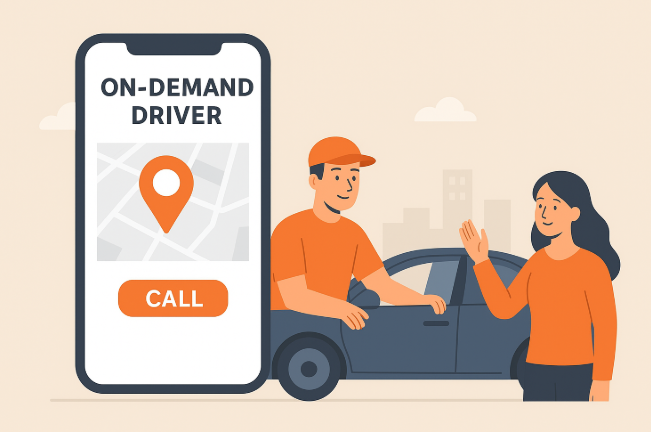
How Independent Directors Helped a Gig-Economy Unicorn Prepare for an IPO Without Losing Its Soul
Table of Contents
In early 2024, DriverU Mobility Services Ltd.—India’s fastest-growing on-demand driver platform—was a darling of the gig economy.
With ₹850 crore in FY23 revenue, 45,000 gig drivers, and 18-city operations, the company was sprinting toward an IPO planned just 18 months away.
But beneath its explosive 180% YoY growth, DriverU was sitting on a silent landmine:
It had zero ESG systems, zero sustainability reporting, and zero data for 98% of its workforce—because those 45,000 people were not “employees,” but gig workers.
And with investor pressure increasing, the company was about to learn that high growth does not protect anyone from ESG expectations.
Chapter 1: The Wake-Up Call in the Boardroom
The quarterly board meeting began with a sentence that froze the room.
“As a post-IPO top 1,000 listed company, you must publish full BRSR Core with assurance on Day 1,”
announced Priya Deshpande, the independent director with 20+ years in sustainability.
CEO Raghav Jain was stunned.
“But we have no employees—only contractors! And we don’t even know what vehicles they drive. How do we report Scope 3?”
Priya leaned forward.
“That’s exactly why this is an existential risk. Gig economy companies don’t fit neatly into BRSR—but investors won’t accept that excuse.”
The board began evaluating the three strategic ESG approaches prepared by management.
Chapter 2: Three Paths — and One Realistic Future
Approach A — Compliance Minimum
Only report office emissions, tech team metrics, and exclude gig workers completely.
Priya shook her head.
“This will fail institutional investor expectations. PE investors already need ESG for exits. And regulators will not accept invisibilising 45,000 workers.”
Approach B — Industry-Leading Transparency
Treat gig drivers as value chain workers, collect full welfare and emissions data.
CFO objected:
“Collecting that much data from 45,000 drivers is operationally impossible.”
Priya corrected him:
“No—it requires system redesign. Not impossible. Just uncomfortable.”
Approach C — Integrated GRI + BRSR
Use BRSR for compliance but integrate GRI topics to tell the full stakeholder story.
This was closest to reality.
After a heated debate, Priya summarized:
“Your reporting must be ambitious enough to satisfy investors, feasible enough to execute in 12 months, and transparent enough to build trust.”
🌟 Recommended Strategy (Independent Director’s Guidance)
✔ Adopt Approach C – Integrated GRI + BRSR,
but with selective elements of Approach B (driver welfare, emissions transparency).
A single integrated report—like ITC’s model—with:
- BRSR as the primary structure
- GRI disclosures cross-referenced
- Same datasets audited once
- Transparent Scope 3 methodology (“range-based” like Maruti)
Priya added:
“Investors care more about explanation than perfection. Don’t claim precision—show accountability.”
Implementation Roadmap (Independent Director–Led Plan)
🟦 Pre-IPO: 12-Month Preparation
1. Build an ESG Operating System
- ESG Steering Committee created (CEO + CFO + CHRO + CTO)
- New Board ESG Committee chaired by Priya
- Monthly dashboard of 15 pilot metrics
2. Redesign Driver App to Collect ESG Data
- Add fields:
✔ vehicle type
✔ fuel efficiency
✔ fuel used per trip
✔ earnings per hour
✔ break hours
✔ safety incidents - App auto-logs trip distance & idle time
- Mandatory onboarding verification via RC upload
3. Establish Data Infrastructure
- API connections similar to L&T’s ESG platform
- Carbon accounting engine integrated like HDFC
- Blockchain layer for income transparency
- ML anomaly detection for driver-reported data
4. Prepare Range-Based Scope 3 Estimates
- Estimate emissions where data unavailable (Maruti methodology)
- Publish assumptions transparently
- Begin pilot EV transition program
5. Begin First Assurance Preparations
- Select assurance partner
- Dry-run BRSR report
- Gap analysis
🟩 Post-IPO: 12-Month Execution
1. Full BRSR Core + GRI Integrated Report
- One report
- One assurance
- One dataset
2. Gig Worker Welfare Scorecard
Quarterly metrics sent to board:
- median driver earnings/hour
- % earning above city minimum wage
- incident rates
- % hours rested vs worked
- driver satisfaction / grievance redressal time
- women driver recruitment program
3. Scope 3 Emissions at Scale
- 45,000-driver vehicle data integrated
- AI-based accuracy checks
- Sample audits with telematics partners
- EV transition incentives added to platform ranking
4. ESG Incentives in Leadership Pay
- 20% weighting based on:
✔ driver satisfaction
✔ grievance resolution
✔ safety
✔ emissions reduction
Priya insisted:
“Without linking compensation, ESG will remain a hobby—never a discipline.”
Chapter 3: The Data Revolution at DriverU
CTO Karan initially resisted the overhaul.
“Redesigning the app will delay our product roadmap.”
Priya countered:
“If your technology can match 45,000 drivers to 12 lakh trips a month, it can collect 10 ESG data points. This is the price of being a public company.”
The New System (Independent Director–Guided Design)
(a) Gig Worker Welfare Measurement
Collected automatically via app:
- Verified earnings per hour
- Real-time work hours
- Rest periods
- Corporate client tips & rating
- Safety incident logs
- Health insurance opt-in tracking
Validation:
- Cross-checks with trip logs
- anomaly detection for fake reporting
- monthly sample audits
Blockchain:
- Transparent earnings ledger
- PE investors can verify payouts without accessing personal data
(b) Scope 3 Emissions Measurement
Data collected:
- Vehicle type
- year of manufacture
- fuel efficiency
- fuel consumed per trip
- idle time
Model:
- Hybrid actual + estimated model
- City-based emission factors
- 6-monthly vehicle verification
Output:
- “Range-based emissions disclosures”
- Driver-level emission dashboard to nudge EV transition
(c) Social Impact Metrics
DriverU created a Mobility Impact Score:
- emissions saved vs personal car ownership
- % drivers crossing living wage
- % women drivers
- safety enhancement improvements
- urban congestion reduction (AI-estimated)
Priya’s message to the board:
“This is how you justify your existence to society. Not just investors.”
Chapter 4: Winning Back Stakeholders
Priya crafted a stakeholder communication strategy that changed DriverU’s public perception.
Stakeholder Engagement Plan (Independent Director–Led)
1. PE & Institutional Investors
Concern: exit readiness, comparable ESG metrics, audited data
Strategy:
- Quarterly ESG investor deck
- Assured BRSR + GRI integrated report
- Transparent Scope 3 assumptions
- Blockchain-based welfare data access
2. Gig Drivers
Concern: distrust, opaque earnings, lack of safety
Strategy:
- Driver App “My ESG Dashboard”
- monthly earning transparency
- grievance turnaround target: <48 hours
- safety hotline
- new program: Women on Wheels (1000 female drivers in Year 1)
3. Customers
Concern: sustainability, safety, reliability
Strategy:
- Trip-level emission comparison
- “Choose an EV driver” filter
- Safety score display
4. Regulators
Concern: gig worker protection, fair wages, data transparency
Strategy:
- First-of-its-kind gig worker welfare reporting standard
- BRSR compliance on Day 1
- methodology published publicly
5. City Governments
Concern: congestion, pollution, ride safety
Strategy:
- annual “Urban Mobility Impact Report”
- driver safety certifications shared
- emission reduction data shared with city mobility cells
Chapter 5: The Turning Point
One year later, as DriverU prepared its IPO draft, the CFO admitted:
“We thought ESG was a cost. It’s become our competitive advantage.”
PE investors praised the shift.
Regulators called DriverU a “model gig economy disclosure leader.”
And CEO Raghav finally told Priya:
“You were right. ESG didn’t slow us down—it gave us legitimacy.”
🚀 Final Message of the Story
When a company grows fast, it must decide:
Will ESG be a regulatory burden?
Or a structural backbone?
DriverU chose the latter.
And an independent director’s courage made that transformation possible.
Read more blogs here.
🔗 SEBI — Business Responsibility and Sustainability Reporting (BRSR) Regulations (May 2021)
https://www.sebi.gov.in/legal/circulars/may-2021/business-responsibility-and-sustainability-reporting-by-listed-entities_50096.html