


Table of Contents
Ruchika was the only woman in a twelve-member project team — bright, precise, and brimming with ideas.
She spoke softly but with insight. Yet in every meeting, her words seemed to vanish mid-air.
A louder male colleague would echo her point moments later — and be applauded.
Soon, she stopped trying.
Weeks turned into months. The project began missing deadlines, creativity dipped, and collaboration turned mechanical.
The team leader wondered why productivity was falling, but the answer was sitting right there — unheard.
When voices like Ruchika’s are ignored, it’s not just a person who suffers. The business does too.
🚨 The Hidden Cost of Silence
Ruchika’s story isn’t rare.
Across industries, women — especially in male-dominated teams — often find themselves present but powerless.
They’re in the room, but not in the conversation.
They contribute, but are overlooked.
And the consequence? Burnout, disengagement, and eventually — departure.
McKinsey’s research shows that companies with gender-diverse leadership are 39% more likely to financially outperform peers.
Yet most organizations still lose talented women mid-career because their culture wasn’t designed to let them lead.
Alarmingly, 63% of Indian companies reportedly have zero women in key managerial positions (“KMPs”). India Today
🧩 Team 2: When Inclusion Is Cosmetic
In another division, a few women were hired “for balance.” They handled operations, reports, admin — but not decisions.
Every strategic choice was made by male leads.
The women were present, but their roles were ornamental.
When they raised valid concerns about process inefficiencies, their ideas were politely “noted” — and quietly dismissed.
That team’s performance stagnated. Morale dropped. Innovation froze.
Because diversity without equity and inclusion isn’t progress — it’s performance theatre.
💬 Team 3: When Inclusion Dies in Silence

Then there was Priya — a senior analyst in Team 3.
She wasn’t afraid to voice different opinions. She believed that a team grows when ideas clash and evolve.
But her manager didn’t see it that way.
He liked “yes-men.”
Every time Priya offered a new angle or asked tough questions, she was called for a “feedback chat.”
He told her she was being “too aggressive”, “too emotional”, “not a team player.”
The message was clear: conform, or be crushed quietly.
Weeks of subtle criticism turned into months of tension.
Priya’s confidence faded. She began doubting her own instincts — the very instincts that had made her a top performer.
Eventually, she resigned.
After she left, the team’s creativity and energy dropped.
The remaining members stopped challenging ideas, stopped experimenting, stopped speaking up.
Within a quarter, the project underperformed and client feedback turned negative.
That’s what happens when Inclusion dies — innovation dies with it.
🌍 What DEI Really Means
- Diversity brings different voices into the room.
- Equity ensures those voices have equal weight and fair opportunity.
- Inclusion makes sure everyone feels safe, valued, and empowered to speak up.
DEI isn’t charity. It’s not HR lip service.
It’s a business strategy rooted in empathy and evidence.
McKinsey’s landmark “Diversity Wins” report revealed that inclusive teams are:
- 2x more likely to meet financial targets,
- 3x more likely to be high-performing, and
- 8x more likely to achieve better overall business outcomes.
Those numbers aren’t about optics — they’re about results.
⚖️ The Real Need: Keeping Women in Leadership
When women rise, organizations don’t just look better — they think better.
Female leaders bring collaboration, empathy, and balanced risk-taking — qualities that drive long-term success.
Yet many leave just when they’re most valuable, citing “culture” as the reason.
Not pay. Not workload.
Culture.
Because being constantly ignored is more exhausting than being overworked.
💡 The Turning Point
When Ruchika finally left, her exit interview was short:
“I didn’t leave for another job,” she said. “I left because no one listened.”
Her departure became a wake-up call.
The company launched mentorship programs for women, trained male managers in inclusive leadership, and started tracking who spoke — and who got interrupted — in meetings.
Six months later, engagement rose, innovation returned, and productivity recovered.
The data proved what McKinsey had long said — DEI isn’t a social goal; it’s a strategic lever.
🌈 Beyond Gender: The True Spectrum of Diversity
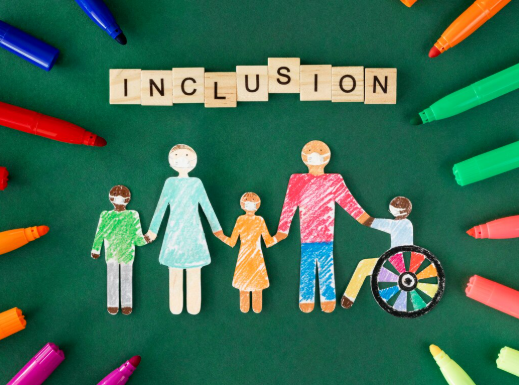
Diversity isn’t only about men and women.
It’s about different thinking, different abilities, different experiences.
It includes people who are differently abled, neurodiverse, from varied ethnicities, economic backgrounds, and belief systems — all bringing unique perspectives that strengthen the organization’s collective intelligence.
True diversity means valuing the whole human experience, not fitting everyone into a single mold.
Because innovation doesn’t happen when everyone agrees — it happens when everyone belongs.
🔔 Call to Action: Build Cultures That Listen
If you’re a leader, ask yourself — who’s not speaking in your meetings, and why?
If you’re in HR, track not just who you hire, but who stays — and who feels safe to disagree.
If you’re part of a team, be the voice that amplifies another’s.
Change begins when we stop treating DEI as a checkbox — and start living it as a core value.
Because in the end, diversity counts heads,
but inclusion makes those heads count.
Read more blogs on sustainability here.
🔗 Reference Link:
McKinsey & Company – Diversity Wins: How Inclusion Matters (2020)