

Table of Contents
For years, sustainability lived in spreadsheets, annual reports, and compliance checklists. Companies collected lagging indicators—last quarter’s emissions, last year’s audit scores, historical waste data—and tried to piece together what went wrong and why.
But lagging indicators can only do one thing: tell you how much damage has already been done.
Today, however, something extraordinary is happening. Technologies that once powered finance, logistics, and consumer analytics are now redefining sustainability itself. Businesses are moving from passive reporting to active anticipation, from identifying risks too late to preventing them entirely.
We are entering the era of predictive sustainability—a world where companies don’t just track ESG performance; they forecast environmental, social, and supply chain impacts before they occur.
And it’s reshaping competitive advantage, regulatory trust, and brand value across industries.
The Shift: From Yesterday’s Data to Tomorrow’s Insight
Traditional sustainability reporting works like looking into a rear-view mirror:
- “What were last year’s emissions?”
- “How many water violations occurred?”
- “How did suppliers perform in the last audit?”
But the world is no longer forgiving of delays. Climate risk accelerates. Supply chains stretch across continents. Regulations change monthly. Consumers respond instantly.
Reactive reporting is too slow, too shallow, and too static.
Technology changes that.
It turns sustainability into a live system, not a yearly compliance exercise. Data becomes dynamic. Insights become immediate. And companies can detect weak signals before they erupt into scandals, shutdowns, or regulatory fines.
The model has shifted from:
❌ “Report what happened.”
to
✅ “Predict what will happen—and act now.”
Technologies Powering Predictive Sustainability
For decades, sustainability operated like a rear-view mirror—measuring what happened after factories polluted rivers, forests were cleared, or workers were exploited.
But a new era is emerging. One where businesses not only track ESG performance—they predict risks before the world notices them.
This transformation is powered by a suite of breakthrough technologies: AI, digital twins, blockchain, IoT sensors, satellite intelligence, and advanced analytics systems.
The companies that embrace these tools are shifting from reactive to predictive sustainability—catching violations early, preventing crises, and building trust through transparency.
This blog dives into the core technologies powering this revolution—with real-world examples that show how leading companies are already using predictive systems to future-proof their supply chains, operations, and ESG performance.
1. Artificial Intelligence: The Brain of Predictive Sustainability
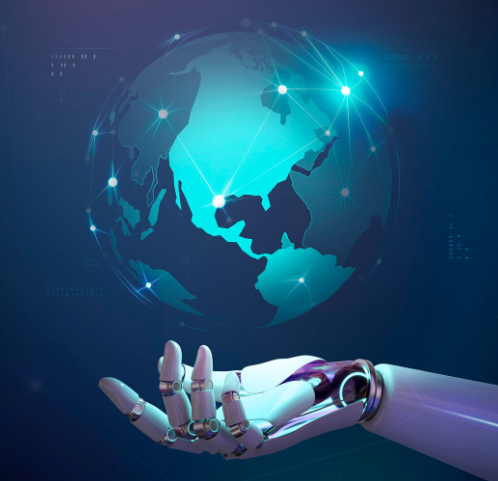
AI and machine learning are the engines behind the shift toward proactive risk management.
Unlike traditional ESG reporting, which compiles historical data, AI analyzes massive datasets in real time to spot ESG risks before they cause damage.
How AI Enables Predictive Sustainability
- Detects patterns that humans overlook
- Flags ESG anomalies in supplier data
- Predicts equipment failures that cause emissions spikes
- Monitors worker welfare using digital behaviour signals
- Forecasts climate-related risks like droughts & floods
Real-World Example: Microsoft + AI for Carbon Forecasting
Microsoft uses AI-driven carbon models to predict emissions from its cloud data centers weeks in advance.
By forecasting high-emission periods, Microsoft diverts workloads to cleaner regions—reducing total carbon output without sacrificing performance.
Real-World Example: Unilever’s AI Palm Oil Model
Unilever uses AI to detect deforestation risks among its palm oil suppliers by analyzing satellite imagery, rainfall, land-use change, and transport patterns.
The system predicts which plantations may engage in illegal deforestation before trees are cut—allowing Unilever to intervene early.
2. Blockchain: Transparent, Tamper-Proof Supply Chains
Blockchain is transforming supply chain integrity.
Why? Because sustainability fails most often in places where companies have the least visibility—tier 2, 3, and 4 suppliers.
Blockchain creates immutable, traceable records of every step in the supply chain, reducing fraud and enabling real-time oversight.

How Blockchain Enables Predictive Sustainability
- Ensures full traceability of raw materials
- Quickly identifies supply chain gaps and suspicious patterns
- Makes audits faster and verifiable
- Reduces risk of corruption or falsified documents
⭐ Real-World Example: IBM & Ford — Predicting Cobalt Risks Before They Become Scandals
This is one of the strongest examples of blockchain preventing ESG disasters.
Ford and IBM built a blockchain-powered cobalt traceability system to track cobalt used in EV batteries from mine → trader → exporter → smelter → battery plant.
Here’s how it predicts risk:
- Every batch of cobalt gets a digital identity
Origin, miner ID, timestamp, and GPS data are recorded on the blockchain—tamper-proof. - Each movement creates a new block
Chain-of-custody records show exactly who handled the material. - AI scans the blockchain for missing records
Missing links = high risk of mining from areas with child labor. - Ford receives a pre-emptive alert
The system flagged a shipment with missing custody data.
The shipment was blocked before entering the production cycle.
What would earlier have led to an exposé and global outrage was stopped before it happened.
This is predictive sustainability in action.
3. Digital Twins: Simulating Risks Before They Happen
A digital twin is a virtual replica of a physical system—factory, power plant, warehouse, or even an entire supply chain.
Digital twins allow companies to simulate future ESG risks, test scenarios, and see “what could go wrong” without waiting for real damage.

How Digital Twins Drive Predictive Sustainability
- Predict emissions spikes during peak production
- Identify energy or water waste hotspots
- Test sustainability outcomes of design changes
- Model climate impacts on operations (heatwaves, floods, storms)
Real-World Example: Siemens Digital Twin for Factories
Siemens uses digital twins to simulate:
- Energy consumption
- Emissions intensity
- Machine failure probability
- Chemical leakage potential
The model helps factories predict environmental risks and schedule preventive maintenance before environmental incidents occur.
Real-World Example: Unilever’s Digital Twin for Water Risk
Unilever uses digital twins to model water availability for its factories.
If local water stress is predicted to rise above sustainable thresholds, Unilever shifts production, upgrades water recycling, or invests in local water conservation.
4. IoT Sensors: Real-Time Environmental Monitoring
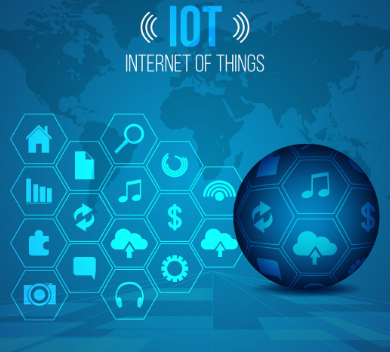
IoT sensors turn factories, warehouses, farms, and vehicles into live data ecosystems.
The result? Companies see ESG risks as they emerge, enabling immediate mitigation.
What IoT Enables
- Continuous emissions monitoring (CEMS)
- Worker safety tracking
- Water and waste discharge alerts
- Noise and vibration monitoring
- Predictive maintenance to prevent leaks/spills
Real-World Example: Shell Using IoT to Prevent Methane Leaks
Methane is 28x more harmful than CO₂.
Shell uses IoT methane sensors on wells and pipelines.
The sensors detect leaks the moment they occur, triggering auto-shutdown protocols.
Result:
Methane leakage dropped significantly, avoiding environmental fines and reputational damage.
Real-World Example: Danone Using IoT to Predict Water Use Surges
Danone installed IoT flow meters in its dairy plants and farms.
The system identifies sudden spikes in water use—often early signs of pipeline leaks or over-extraction.
This predictive capability saves millions of liters annually.
5. Satellite Monitoring & Remote Sensing: Watching What the Eyes Can’t See
Satellites now play a major role in ESG oversight, especially for risks in remote regions.
Combined with AI, satellites detect:
- Deforestation
- Illegal mining
- Forced labor camps
- Water contamination
- Night-time light anomalies (proxy for illegal activity)
Real-World Example: Nestlé & Ferrero — Predicting Deforestation Risks in Cocoa Supply Chains
Using satellite imagery and heat-mapping:
- Forest loss is detected in real time
- High-risk cocoa farms are flagged
- Procurement is paused before shipments are made
This system prevents deforestation-linked cocoa from entering the supply chain.
Real-World Example: BP Using Satellites to Predict Oil Spill Risks
BP uses satellite ocean data + AI to detect:
- Early leakage
- Abnormal vessel patterns
- Chemical signatures on water surfaces
This helps prevent small leaks from becoming catastrophic spills.
6. ESG Analytics Platforms & Predictive Dashboards
Modern ESG platforms like SAP Sustainability Control Tower (SCT), Microsoft Cloud for Sustainability, and Watershed are shifting sustainability from reporting to prediction.
What Predictive Platforms Offer
- Automated Scope 1–3 forecasting
- Supplier ESG risk heatmaps
- Alerts when a supplier’s ESG rating drops
- Carbon pricing simulations
- Climate scenario planning (e.g., TCFD)
- Predictive compliance tracking
Real-World Example: SAP SCT for Scope 3 Risk Prediction
Companies using SCT can:
- Predict Scope 3 emission hotspots for upcoming quarters
- Simulate impact of supplier changes
- Identify high-risk shipments
- Calculate future regulatory exposure
- Test carbon reduction strategies
This is no longer about reporting emissions—it’s about making operational decisions guided by sustainability intelligence.
7. Worker Voice Tech & Digital Labor Compliance
Worker welfare violations are usually discovered too late—after scandals break.
Technology now enables direct, anonymous worker communication.
Platforms like Ulula, OnSight, and LaborVoices allow workers to report:
- Unsafe conditions
- Forced overtime
- Wage theft
- Harassment
- Child labor risks
These systems create predictive, bottom-up visibility into labor conditions.
Real-World Example: Nestlé Using Worker Voice to Predict Labor Abuse
Nestlé uses mobile worker surveys across farms and factories.
Patterns of complaints help them identify factories at risk before abuse escalates or becomes public.
This technology is transforming labor monitoring from annual audits to continuous feedback.
8. Predictive Climate Models: Preparing for Extreme Weather Before It Hits
Climate is now a business risk.
Predictive climate models combine:
- historical weather data
- climate science projections
- local geospatial data
- machine learning
They reveal how climate change will affect:
- supply chain flows
- factory productivity
- asset life
- water risk
- operational downtime
Real-World Example: Coca-Cola Using Predictive Climate Models for Water Security
Coca-Cola uses climate models to:
- forecast water scarcity near bottling plants
- predict drought cycles
- plan investments in watershed restoration
This prevents shutdowns and ensures operational resilience.
9. Integrated ESG Command Centers: The Future of Predictive Sustainability
Leading organizations now deploy ESG Control Rooms—centralized digital dashboards that integrate:
- AI
- IoT
- satellite data
- blockchain
- worker voice
- supply chain mapping
These command centers make sustainability:
- Real-time
- Predictive
- Integrated into business strategy
Conclusion: From Reactive to Predictive — The Next Decade Belongs to Data-Driven Sustainability
We are entering a future where…
Companies won’t wait for environmental fines—
AI will warn them days before emissions spike.
Brands won’t wait for exposés on child labor—
Blockchain will block the shipment automatically.
Businesses won’t wait for factories to shut down due to climate stress—
Digital twins will predict future water shortages.
Sustainability is no longer about reporting what happened.
It’s about forecasting what could happen, and acting early enough to change the outcome.
The companies that win the next decade will be those that integrate predictive technologies at the heart of their ESG strategy.
🌍 Call to Action: The Future Will Reward Those Who Predict — Not Those Who React
We are entering a decade where sustainability is no longer about reporting what happened — it’s about knowing what will happen next.
The companies that thrive will be those that treat ESG not as compliance, but as intelligence, foresight, and competitive advantage.
The question is no longer:
“Are we measuring our impact?”
It is:
“Are we predicting our risks before they become headlines, lawsuits, or supply-chain failures?”
The tools exist — digital twins, blockchain, satellites, AI, IoT.
The leaders who succeed will be the ones who act now, not the ones who wait for a crisis to show them what they should have seen coming.
🚀 Your next move defines your next decade.
Build the systems.
Map the risks.
Invest in predictive intelligence.
Because the future will belong to companies that see around corners.
👉 Are you ready to redesign your sustainability strategy for a predictive world?
Read more blogs on sustainability here.
Here’s a highly credible reference link for technology in predictive sustainability:
IBM – Blockchain and Sustainability Through Responsible Sourcing:
It explains how IBM’s blockchain platform is used to trace minerals like cobalt responsibly across the supply chain, ensuring transparency and ESG integrity. ibm.com